Essential Guide to Water Damage Restoration After a Flood.
When a flood strikes, it can leave behind a trail of destruction, with water damage being one of the most common problems homeowners face. In such situations, it is essential to act quickly and efficiently to restore your property and prevent further damage. This article will provide you with a comprehensive guide to water damage restoration after a flood, helping you navigate through the process effectively.
What is Water Damage Restoration?
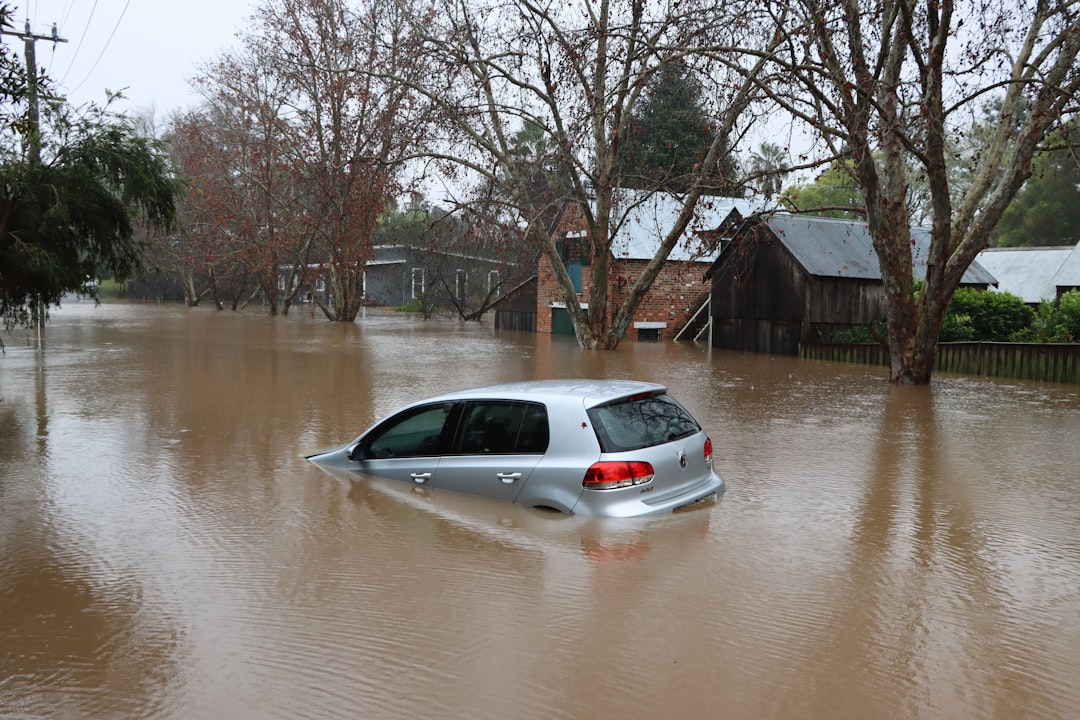
Water damage restoration is the process of restoring a property that has been affected by water damage. This includes removing standing water, drying out the structure, and repairing any damage caused by the water. It is crucial to address water damage promptly to prevent mold growth, structural issues, and other potential problems that can arise from prolonged exposure to water.
Steps to Water Damage Restoration
- Assess the Damage: The first step in water damage restoration is to assess the extent of the damage. This includes identifying areas that are affected by water, as well as any structural damage that may have occurred.
- Remove Standing Water: The next step is to remove any standing water from the affected areas. This can be done using pumps, wet/dry vacuums, or other water extraction equipment.
- Dry Out the Structure: Once the standing water has been removed, it is essential to dry out the structure thoroughly. This can be done using fans, dehumidifiers, and other drying equipment to ensure that all moisture is removed from the affected areas.
- Clean and Disinfect: After drying out the structure, the next step is to clean and disinfect the area to prevent mold growth and bacterial contamination. This includes cleaning surfaces, removing damaged materials, and treating the area with disinfectants.
- Repair and Restore: The final step in water damage restoration is to repair and restore the property to its pre-damaged condition. This may involve replacing drywall, flooring, or other structural elements that have been damaged by the water.
Expert Tips for Water Damage Restoration
- Act Quickly: The key to successful water damage restoration is to act quickly. The longer water sits, the more damage it can cause.
- Hire a Professional: In most cases, it is best to hire a professional water damage restoration company to handle the cleanup and restoration process.
- Document the Damage: Be sure to document the damage thoroughly, including taking photos and keeping a log of all repairs and expenses.
- Prevent Future Damage: Once the restoration process is complete, take steps to prevent future water damage by addressing any underlying issues that may have caused the flood.Dealing with water damage after a flood can be a stressful and overwhelming experience. However, by following the essential guide to water damage restoration outlined in this article, you can effectively restore your property and minimize further damage. Remember to act quickly, hire a professional when needed, and take steps to prevent future damage to keep your home safe and secure.