Suffering From a Workplace Accident & Personal Injury? Read on to Learn What You Need to Know .
Workplace accidents and personal injuries are critical issues that affect millions of employees across various industries every year. These incidents not only lead to physical harm but can also have lasting emotional and financial consequences for both workers and employers. Understanding the causes, types, and legal implications of workplace injuries is essential for fostering a safer work environment. This article will explore the common hazards that contribute to workplace accidents, outline the rights and responsibilities of employees and employers, and provide practical steps for handling incidents when they occur. Additionally, we will discuss preventative measures and available resources to support those affected by workplace injuries.
Understanding Workplace Accidents: Causes and Statistics
Defining Workplace Accidents
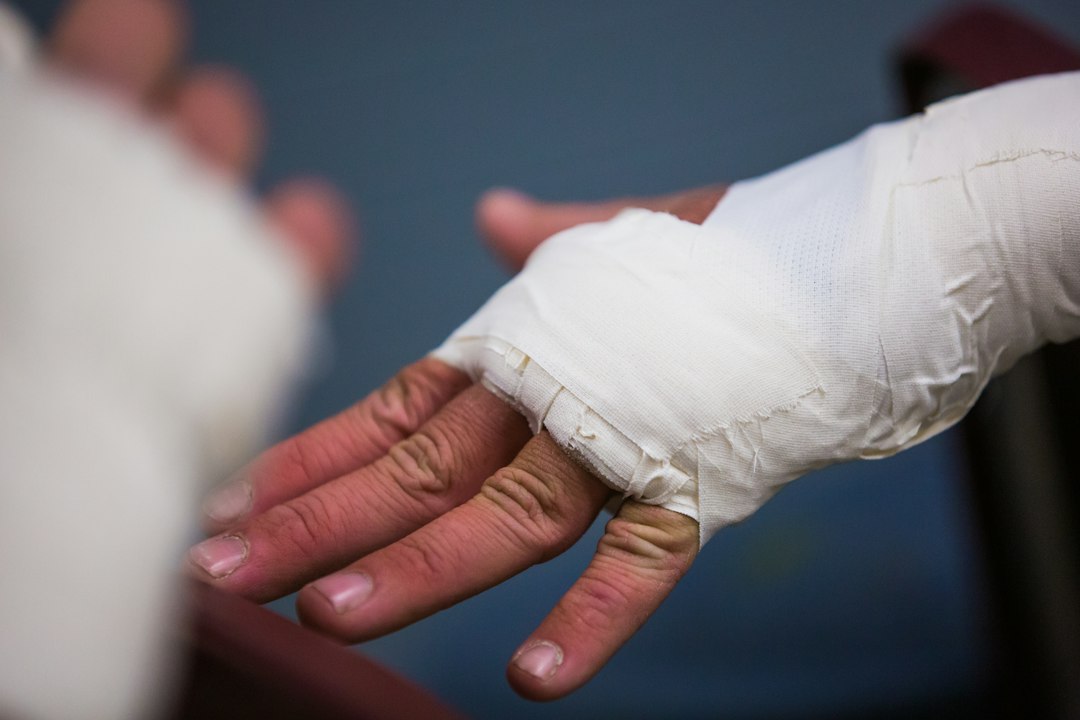
Workplace accidents are those unplanned incidents that result in injury or damage while performing work-related tasks. Think of it as a surprise party you didn’t want—only instead of cake, it comes with medical bills. From slips and falls to machinery mishaps, these accidents can happen in any setting, highlighting the fact that even the most mundane tasks can turn into a trip to the ER.
Statistics on Workplace Injuries
Let’s crunch some numbers, shall we? According to the Bureau of Labor Statistics, millions of workplace injuries occur annually, leading to lost workdays, not to mention a bunch of worried HR reps. The numbers aren’t just impressive; they’re alarming—about 3.5 million workers were injured on the job in 2021 alone. That’s like visiting a stadium filled with people all wishing they hadn’t taken a tumble at work!
Common Risk Factors in Different Industries
Different industries come with their own unique hazards. Construction sites might as well be obstacle courses, with heavy machinery and high elevations lurking around every corner. Meanwhile, the healthcare sector sees its fair share of physical strain and exposure to illnesses. Even corporate offices aren’t off the hook—can we talk about the perils of ergonomic disasters and the infamous paper cut? Remember, risk factors vary, but the potential for injury is universal.
Common Types of Workplace Injuries
Physical Injuries: Sprains, Fractures, and More
Physical injuries are the rock stars of workplace mishaps. We’re talking about sprains, fractures, and those delightful bruises that remind you of that “one time” you tripped over nothing. Whether it’s a slip on a wet floor or a not-so-familiar coworker accidentally knocking you over with their overzealous office chair, these injuries can disrupt both work and play.
Repetitive Strain Injuries
Repetitive strain injuries (RSIs) are the silent but deadly ninjas of the workplace. They creep up on you after hours of typing away at your keyboard or executing the same motions over and over. Think carpal tunnel syndrome, tendinitis, or even a sore back from sitting like a pretzel at your desk. It’s like your body’s way of saying, “Excuse me, can we take a break from all this?”
Psychological Injuries: Stress and Mental Health
When folks think of workplace injuries, they often picture physical damage, but psychological injuries are equally significant. Stress, burnout, and a lack of support can lead to a range of mental health issues. It’s not just about surviving the workday; it’s about thriving, and when anxiety and depression kick in, that’s when employers need to step up and support their staff.
Legal Rights and Responsibilities of Employees
Workers’ Compensation Overview
If you get injured at work (bummer, right?), workers’ compensation is your safety net. This insurance provides wage replacement and medical benefits, ensuring your finances don’t take a nosedive while you recover. Just remember, it’s not exactly a “get out of jail free” card – you typically need to prove that the injury occurred while you were on the clock. So, no claiming you were injured while attempting to juggle flaming swords in the breakroom!
Employee Rights Under OSHA
The Occupational Safety and Health Administration (OSHA) stands as your workplace knight in shining armor, ensuring your right to a safe work environment. Employees can report unsafe conditions without fear of retaliation and are entitled to training and information about hazards. Remember, safety first—or you might feel like a contestant in a workplace version of “Survivor.”
Understanding Whistleblower Protections
If you’ve seen or experienced something that doesn’t sit right, whistleblower protections are your shield. These laws safeguard employees who report unsafe practices or violations, ensuring they won’t get tossed off the payroll for speaking out. Just grab your courage and a good pair of shoes to run away from any potential retaliation—after all, it’s easier to run when you know you have the law on your side!
Employer Obligations for Safety and Health
Implementing Safety Protocols
Employers have a legal obligation to create a safe workplace, which means rolling out safety protocols like they’re the latest trend. From clear signage to proper equipment maintenance, these protocols are the blueprint for a non-chaotic work environment. Think of them as the workplace equivalent of traffic lights—meant to keep everyone safe and sound.
Training and Education Requirements
Training is key! Employers are required to provide adequate safety training to ensure employees know the risks and how to handle them. This should include everything from proper lifting techniques to how to react in an emergency. After all, knowing what to do in a disaster can mean the difference between a head-scratching moment and knowing exactly how to evacuate calmly.
Regular Safety Audits and Assessments
Regular safety audits are like giving your workplace a physical exam—necessary to catch any potential issues before they turn serious. By assessing risks and implementing changes, employers can focus on prevention and safety. It’s like getting a yearly checkup but for your job site; nobody wants to end up with a health scare because someone neglected the safety checklist!
Steps to Take Immediately After an Accident
Reporting the Workplace Incident
The first thing you want to do after an accident is to make sure everyone is safe. Once you’ve done that, it’s time to report what happened. Notify your supervisor or manager right away. Think of it as being the town crier—with a much less medieval flair. Ensure that the incident is documented in your company’s accident log. Remember, if it didn’t get reported, did it even happen? Spoiler alert: not really.
Seeking Medical Attention
Even if you feel fine and your superhero instincts are telling you to walk it off, it’s crucial to seek medical attention. Some injuries like to play a sneaky game and don’t show up until later. A quick trip to the doctor can mean the difference between healing quickly and saying hello to chronic pain. Plus, they can provide necessary documentation that just might come in handy later on.
Documenting the Accident
Channel your inner journalist and document everything about the accident. Snap some pictures, jot down what happened, and collect witness statements. Make sure you have the time, date, and any details that can paint a clearer picture of the mishap. If you can draw a diagram and make it look like a high school art project, even better! This documentation could save your bacon when it comes to claims and compensation.
Filing a Personal Injury Claim: A Step-by-Step Guide
Gathering Necessary Evidence
Evidence is king in the land of personal injury claims. Collect any photos, medical records, pay stubs reflecting lost wages, and witness contact information. The more evidence you have, the better your chance of a successful claim. Treat it like an evidence scavenger hunt—everything counts, from your broken stapler to your bruised ego.
Consulting with Legal Professionals
Don’t think you have to navigate the murky waters of personal injury claims on your own. Consulting with a legal professional can give you the guidance you need. They can help you understand your rights and options, and they’re usually way better at detecting loopholes than you are. Just remember: even Zeus had his counsel, and he was a god!
Understanding the Claims Process
The claims process can feel like wading through molasses, but understanding it makes the journey smoother. Familiarize yourself with timelines for filing, what information you need to submit, and how negotiations typically go. The more you know, the less likely you are to find yourself lost in a legal labyrinth shouting, “Help!” at random bureaucrats.
Preventative Measures: Creating a Safer Work Environment
Conducting Regular Safety Training
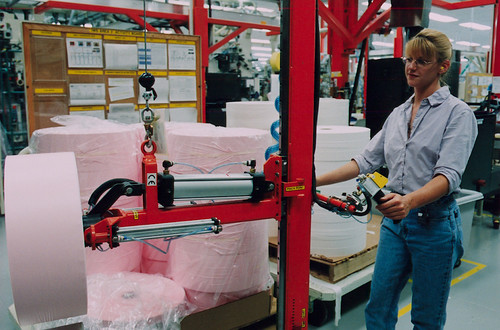
If your workplace culture is more “Danger Zone” than “Safety Zone,” it’s time to implement regular safety training. Regularly scheduled refresher courses will keep everyone on their toes, like a super fun round of workplace dodgeball, minus the bruises. Consider using interactive training methods to keep it engaging and memorable.
Encouraging a Culture of Safety
Creating a culture of safety is like making guacamole; it takes a solid mix of ingredients. Encourage employees to voice safety concerns and share ideas for improvement. Reward safe practices, and remember: safety is cooler than a pair of aviator sunglasses. When everyone feels empowered to put safety first, you minimize the chance of accidents.
Utilizing Technology for Safety Improvements
Don’t shy away from the many gadgets and apps that can help improve workplace safety. From wearable safety devices to software that monitors conditions, technology can be your best friend. Embrace the future—after all, who wouldn’t want a robot to help with hazard detection? Just remember to keep the robots on your side!
Resources and Support for Affected Employees
Support Groups and Counseling Services
Accidents can leave emotional scars as well as physical ones. Support groups and counseling services can provide a safe space for employees to share their experiences and feelings. You’re not alone in this—it’s like a group hug, but better because you also get professional guidance!
Legal Resources and Advocacy Organizations
For those feeling overwhelmed by the legal jargon, numerous resources and advocacy organizations can provide assistance. From free consultations to help with navigating the maze of legal terms, these organizations are like your trusty roadmap through a confusing terrain.
Employer-Sponsored Assistance Programs
Many employers offer assistance programs designed to help employees cope with the aftermath of workplace incidents. These might include counseling and referrals to professional services. So, if your workplace has one, don’t be shy—take full advantage. After all, this is the safety net designed just for you!In conclusion, addressing workplace accidents and personal injuries is a shared responsibility that requires vigilance, awareness, and proactive measures from both employees and employers. By understanding the risks, knowing your rights, and implementing safety protocols, we can create a safer and healthier work environment. It is crucial to support those affected by workplace injuries and to continuously strive for improvement in safety practices. Together, we can reduce the occurrence of accidents and foster a culture of safety in every workplace.
Frequently Asked Questions
What should I do immediately after a workplace accident?
It is important to report the incident to your supervisor, seek medical attention if needed, and document the details of the accident, including any witnesses.
Am I entitled to compensation for a workplace injury?
Yes, if you are injured at work, you may be eligible for workers’ compensation, which can cover medical expenses and lost wages. It is advisable to consult with a legal professional to understand your rights and options.
How can employers prevent workplace accidents?
Employers can prevent accidents by conducting regular safety training, implementing safety protocols, performing routine inspections, and fostering a culture of safety among employees.
What are my rights as an employee if I am injured at work?
Employees have the right to a safe work environment, the right to report unsafe conditions without fear of retaliation, and the right to file for workers’ compensation if injured.