

Discover how Government Stimulus and Housing Policies can Help you Secure Your Dream Home .
In recent years, government stimulus measures and housing policies have become increasingly intertwined as nations grapple with economic fluctuations and housing crises. These interventions aim to stabilize and stimulate the housing market, making homeownership more accessible and affordable for a broader segment of the population. From tax incentives and subsidies to direct financial assistance, the landscape of government support has evolved significantly. This article delves into the various dimensions of government stimulus and housing policies, exploring their historical context, impacts on market trends, regional disparities, and long-term implications, while also addressing the challenges and critiques of current approaches. By understanding these dynamics, we can better comprehend the future of housing in an ever-changing economic landscape.
Overview of Government Stimulus Measures
Definition and Purpose of Stimulus

Government stimulus measures are like the financial equivalent of a double shot of espresso for the economy. Their main goal is to kickstart growth during downturns by boosting spending, investment, and consumption. Essentially, they aim to get the wheels of the economy turning when they’ve been stuck in a rut, often leading to a job-rich recovery and improved economic stability.
Types of Stimulus Programs
Stimulus programs come in various flavors, each designed to target specific economic woes. Think of them as a buffet: – **Direct Payments**: Cash payments to individuals—because who doesn’t love a surprise check? – **Tax Cuts**: Reductions in taxes to leave more money in your pocket for that new fancy coffee maker. – **Infrastructure Investments**: Government spending on roads, bridges, and schools, creating jobs and making life a little less bumpy. – **Housing Support**: Programs aimed at keeping people in their homes or helping them find new ones, ensuring the American Dream doesn’t turn into a nightmare.
Recent Government Initiatives
In response to recent economic hiccups, governments have rolled out a smorgasbord of initiatives. Measures like the CARES Act aimed at providing financial relief during the pandemic included unemployment benefits, direct payments, and support for renters and homeowners. Additionally, programs focusing on low-interest loans and down payment assistance have made homeownership a little less daunting, especially for first-time buyers.
Historical Context of Housing Policies
Evolution of Housing Policies in the 20th Century
Housing policies in the 20th century were like the awkward teenage phase of a nation figuring out its style. From the establishment of the Federal Housing Administration (FHA) in the 1930s, which introduced mortgage insurance to promote homeownership, to the Fair Housing Act of 1968, which aimed to eliminate discrimination—these policies evolved to tackle systemic issues while attempting to make homeownership accessible to all.
Major Legislation Impacting Housing
Key legislation has etched significant marks on the housing sector, starting with the GI Bill post-World War II, which unlocked homeownership for returning veterans. Fast forward to the Community Reinvestment Act of 1977, which nudged banks to lend to underserved neighborhoods. Each law has sprouted its own chain reactions in the housing market, shaping affordability and lending practices to this day.
Lessons from Past Economic Crises
What do we learn from past economic crises? A lot. The 2008 housing bubble burst taught us that unchecked lending practices and speculative investments could lead to devastating fallout. Keeping a keen eye on lending standards and ensuring equitable access to housing emerged as crucial takeaways. Ultimately, history reminds us that a robust housing policy needs continuous tweaking like a classic car—maintain it well, or risk a breakdown.
Impact of Stimulus on Housing Market Trends
Effects on Home Prices
Stimulus measures often lead to a rollercoaster effect on home prices. When buyers receive financial boosts, demand generally increases, driving up prices—think of it as too many people wanting the last avocado at the store. However, if supply can’t keep up, we might see prices soar to the moon, leaving many scratching their heads in disbelief.
Changes in Housing Demand
As stimulus measures pump cash into the economy, housing demand typically sees a boost, with an uptick in first-time buyers and families looking to upgrade their living situations. This can create a tight market, making it tricky for some to find their dream homes—especially if they have a budget tighter than their favorite pair of jeans after the holidays.
Influence on Rental Markets
The rental market also plays a game of cat and mouse with stimulus measures. Increased household income can push many towards homeownership, potentially causing a slight dip in rental demand. Conversely, if the stimulus keeps renters afloat, they might stick around, impacting rental prices and vacancy rates. It’s like playing musical chairs, but with people’s homes.
Analysis of Housing Affordability and Access
Definitions of Affordability
Housing affordability is like trying on shoes—if they pinch, they’re not right for you. Generally, a home is considered affordable if its cost doesn’t exceed 30% of a household’s gross income. But that’s just the tip of the iceberg; factors like location, local income levels, and current market conditions all affect whether a home fits the budget or feels like a financial squeeze.
Demographic Disparities in Housing Access
Not everyone has the same access to housing, and that’s a big deal. Factors such as race, income level, and geographical location can create disparities in homeownership rates. Minority and low-income families often face steeper barriers, making it tougher to break into the housing market without support. Addressing these discrepancies is crucial for creating a more equitable housing landscape.
Role of Subsidies and Tax Incentives
Subsidies and tax incentives are like a financial lifeline for many aspiring homeowners. Programs that offer down payment assistance or tax credits can make all the difference, especially for those on the cusp of homeownership. They help level the playing field, nudging the dream of owning a home closer to reality for those who might otherwise find themselves locked out of the market.
Regional Differences in Stimulus Effectiveness
Urban vs. Rural Impacts
When it comes to government stimulus packages, urban areas often get the spotlight—think vibrant cityscapes, bustling economies, and high demand for housing. The influx of cash tends to fuel development in these spaces, leading to soaring housing prices and making the American Dream feel less dreamy for many residents. On the flip side, rural areas frequently see a slower response to stimulus measures. Here, the focus may be on maintaining existing structures rather than new developments. This can result in underwhelming outcomes for housing markets that really need a jolt. So while cities might be seeing a housing boom, their rural counterparts may still be waiting for their turn at the party.
State-Specific Policies and Outcomes
Not all states are created equal when it comes to housing policies spurred by government stimulus. Some states have embraced aggressive tax incentives and zoning reforms, leaving other states to twiddle their thumbs and wonder what went wrong. For instance, California’s creative approach to affordable housing has resulted in innovative projects that keep some residents from packing their bags for greener pastures, whereas states with less proactive policies often find themselves with stagnant markets and frustrated constituents. The effectiveness of stimulus varies widely, with state-specific policies often determining whether the outcome is a housing success story or a cautionary tale.
Comparative Analysis of Global Approaches
Look beyond the borders of the U.S., and you’ll see a fascinating array of approaches to housing stimulus. Some countries throw money at their housing markets like confetti (hello, Germany!), while others take a more conservative route, focusing on long-term investments and sustainability (looking at you, Sweden). Understanding these global approaches provides important lessons about what works and what doesn’t. For instance, countries that prioritize social housing tend to have lower homelessness rates, which might make you wonder if the U.S. should take a page out of their playbooks. In the grand scheme of things, a little bit of international inspiration could go a long way in informing future housing policies.
Long-term Implications for Housing Policy
Sustainability of Stimulus Measures
Sure, a surge of government cash can work wonders in the short term, but what about sustainability? As they say, what goes up must come down—or at least plateau. Housing markets that rely too heavily on stimulus measures may find themselves in a tricky position once the money runs dry. These measures can’t just be quick fixes; they need to be part of a larger, more sustainable strategy to bolster housing availability. Ideally, we’d like to see policies that create long-term growth—because let’s face it, no one wants to be stuck in a housing rollercoaster.
Potential for Policy Reforms
Government stimulus isn’t just a band-aid; it’s often a wake-up call for necessary policy reforms. The discussion on zoning laws, tenant protections, and affordable housing initiatives heats up as communities realize that short-term fixes can lead to long-term deficiencies. Policymakers may finally pay attention to issues that have lingered for years—acting like a kid who finally does their homework after staying up way too late. This momentum creates an opportunity to design housing policies that reflect the realities of today’s market and the needs of tomorrow’s residents.
Future Housing Market Predictions
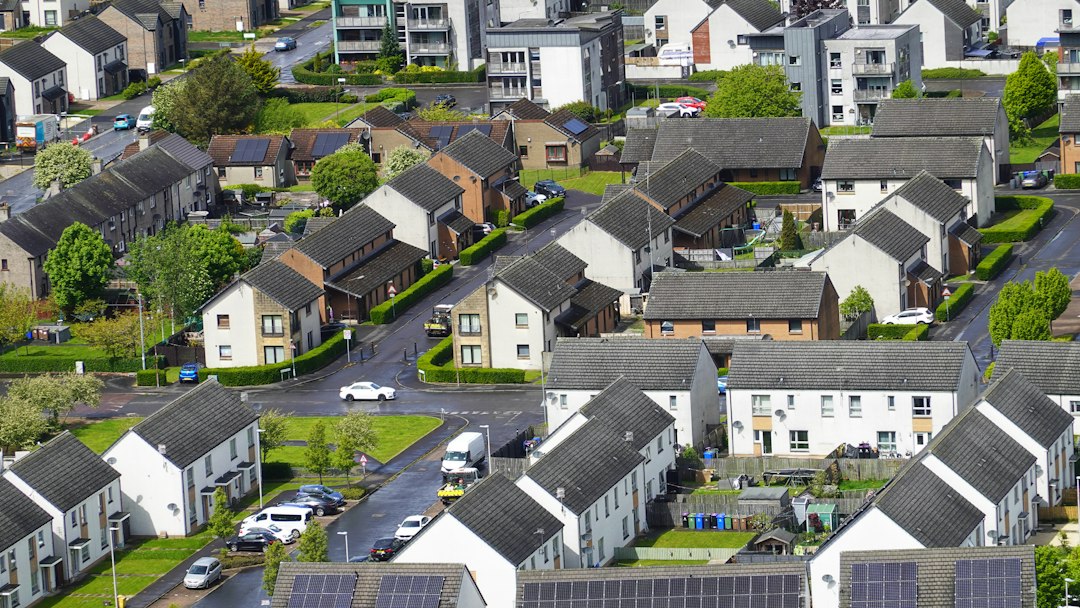
Peering into the crystal ball of housing market predictions is like trying to read the tea leaves: it takes an educated guess, a sprinkle of luck, and maybe a pinch of magic. However, if current trends continue, we might see an increasingly polarized market. Affordability issues may worsen for middle and lower-income households, while luxury developments soar to new heights. The pressure for sustainable housing solutions will likely intensify, as buyers and renters demand more from their living spaces. Ultimately, the landscape of housing will undoubtedly shift, but how exactly? Well, stay tuned—it’s bound to be an interesting plot twist.
Critiques and Challenges of Current Approaches
Economic Arguments Against Stimulus
Critics of government stimulus often argue that it risks creating a false sense of security in the housing market. Essentially, throwing money at an issue doesn’t fix systemic problems; it just shuffles them around like a bad deck of cards. Detractors also warn of inflationary pressures and market distortions, claiming that by artificially inflating demand, we could end up with another housing bubble before we even finish popping the last one. In a nutshell, some economists argue that a healthy market needs to feel the sting of its own failures to truly thrive.
Social Justice Considerations
The discussion around housing stimulus isn’t just about dollars and cents; it weaves heavily into social justice concerns. Who really benefits from these policies? Often, it’s the well-off who can access the most lucrative properties that thrive under stimulus. Marginalized communities frequently find themselves left out of the loop, facing gentrification and displacement where once they had stable homes. A truly effective housing policy needs to address these imbalances and ensure that all citizens, regardless of their economic background, have a place to call home.
Implementation and Bureaucratic Hurdles
Ah, bureaucracy—the great obstacle to progress. Even the most well-intentioned housing policies can get tangled in red tape and mismanagement. From local governments struggling to implement stimulus measures effectively to delays in funding that stretch into eternity, these challenges can lead to unmet needs and frustration among those waiting for assistance. Streamlining processes and ensuring that funds reach those who need them most is essential if we want these policies to deliver tangible results. Until then, it’s a wild ride on the bureaucratic rollercoaster.
Future Directions for Government Involvement in Housing
Innovative Solutions and Policies
As we look to the future, government involvement in housing is ripe for innovation. Whether it’s through the use of modular housing, community land trusts, or creative financing solutions, there’s no shortage of potential ways to tackle housing challenges. Policymakers, developers, and advocates must collaborate to break free from stale approaches, proactively creating solutions that address the evolving needs of diverse communities. The future of housing is about adaptability, so let’s get those creative gears turning!
Public-Private Partnerships
Public-private partnerships (PPPs) are like peanut butter and jelly—two great tastes that could make housing even better. The collaboration between government entities and private developers can lead to affordable housing solutions that benefit everyone involved. By pooling resources and expertise, these partnerships can maximize efficiency, reduce costs, and help reach underserved populations. As we move forward, fostering these relationships will be crucial in developing and implementing effective housing policies that make a real difference.
The Role of Technology in Housing Solutions
In an increasingly digital age, technology is set to revolutionize the housing market. From using AI to analyze housing trends to employing virtual reality for property tours, technology can streamline processes and improve the overall experience for buyers and renters. Innovations like blockchain for secure transactions and smart homes that enhance living conditions are justAs we move forward, the intersection of government stimulus and housing policies will continue to play a critical role in shaping our housing landscape. The effectiveness of these measures in promoting affordability, accessibility, and stability in the market remains a vital concern for policymakers and citizens alike. By learning from past experiences and adapting to new challenges, we can work towards creating a more equitable housing environment that benefits all members of society. The ongoing dialogue surrounding these issues will be essential in paving the way for innovative solutions and sustainable practices in the future.
Frequently Asked Questions
What is government stimulus in the context of housing?
Government stimulus and housing policies refers to various fiscal measures taken by the government to promote economic growth, specifically aimed at stabilizing or enhancing the housing market. This includes programs such as tax incentives, subsidies for homebuyers, and funding for affordable housing projects.
How do housing policies affect affordability?
Housing policies can significantly influence affordability by regulating the supply and demand of housing, providing financial assistance, and promoting development in underserved areas. Effective policies can lead to lower housing costs and improved access for low- and middle-income families.
What are the potential drawbacks of government intervention in housing?
While government intervention can provide short-term relief, it may also lead to market distortions, dependency on subsidies, and bureaucratic inefficiencies. Critics argue that long-term reliance on stimulus measures can hinder market self-correction and create unsustainable economic practices.
How can individuals stay informed about housing policies and stimulus measures?
Individuals can stay informed by following government announcements, engaging with local housing advocacy groups, and accessing online resources that track housing policies. Additionally, subscribing to newsletters and participating in community forums can provide valuable insights into ongoing changes in housing policy and market dynamics.