Home Blog Page 11

Protecting Your Home Sweet Home: Guide to Flood Insurance

7

Understanding Flood Insurance coverage.

When it comes to protecting your home from unexpected disasters, having the right insurance coverage in place is essential. One of the often-overlooked insurance policies is flood insurance. Many homeowners mistakenly believe that their standard homeowner’s insurance policy will cover them in the event of a flood. However, this is not the case. In order to protect your home and belongings from flood damage, you need to have a separate flood insurance policy. In this comprehensive guide, we will walk you through everything you need to know about flood insurance coverage.

What is Flood Insurance?
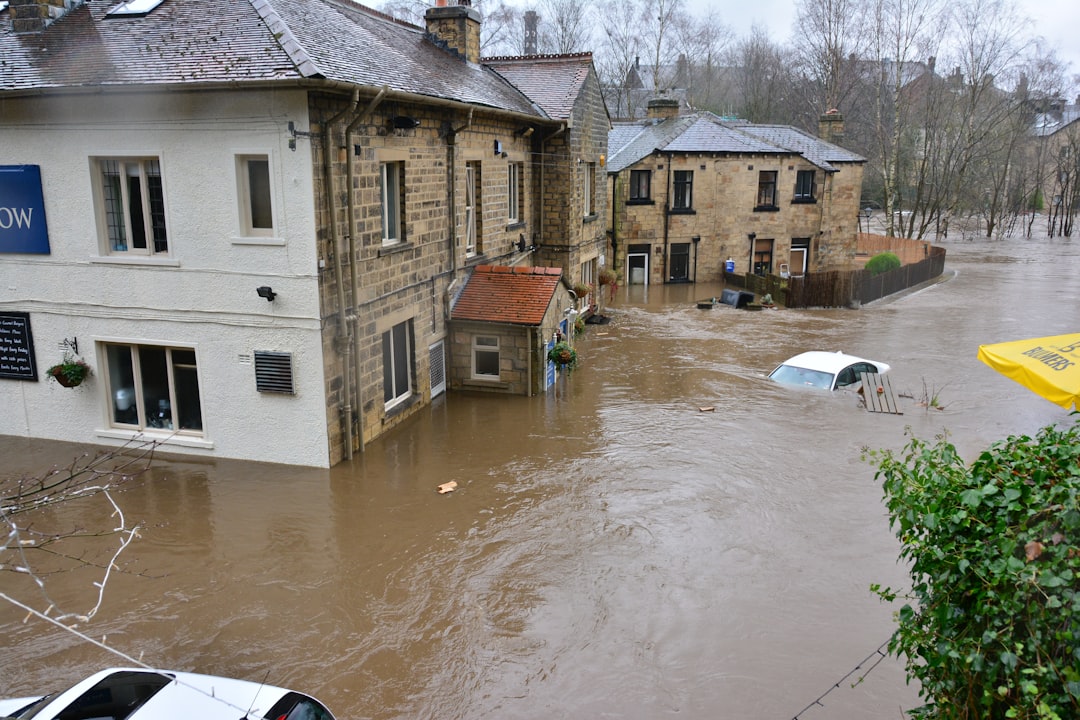
flood insurance

Flood insurance is a specific type of insurance that covers damage caused by flooding. This can include damage to your home’s structure as well as damage to your personal belongings. Flood insurance is typically purchased as a separate policy from your standard homeowner’s insurance policy.

Do I Really Need Flood Insurance?

One of the most common questions homeowners ask is whether they really need flood insurance. The answer is: it depends. If you live in a high-risk flood zone, then having flood insurance is a must. Even if you don’t live in a high-risk area, it’s still a good idea to consider purchasing flood insurance. Flooding can happen anywhere, and just a few inches of water can cause thousands of dollars in damage to your home and belongings.

How Does Flood Insurance Work?

Flood insurance works similarly to other types of insurance policies. You pay a premium to the insurance company, and in return, they agree to cover certain types of losses. In the case of flood insurance, the policy will outline what types of damage are covered and up to what amount. It’s important to carefully review your policy to understand exactly what is covered and what is not.

What Does Flood Insurance Cover?

Flood insurance typically covers damage to your home’s structure, including the foundation, walls, floors, and ceilings. It also covers damage to your personal belongings, such as furniture, clothing, and appliances. Additionally, flood insurance may cover temporary housing expenses if your home is uninhabitable due to flood damage.

How Much Does Flood Insurance Cost?

The cost of flood insurance can vary depending on a number of factors, including the location of your home, the value of your property, and the deductible you choose. On average, flood insurance premiums can range from a few hundred dollars to over a thousand dollars per year. It’s important to shop around and compare quotes from different insurance companies to ensure you are getting the best rate.

Conclusion

In conclusion, having flood insurance is an essential part of protecting your home and belongings from the devastating effects of flooding. Even if you don’t live in a high-risk flood zone, it’s still a good idea to consider purchasing flood insurance. The peace of mind that comes with knowing you are covered in the event of a flood is priceless. Don’t wait until it’s too late – contact your insurance provider today to discuss purchasing a flood insurance policy.

Protect Your Assets with Property Insurance

4

Property Insurance: Protecting Your Assets

When it comes to safeguarding your valuable assets, property insurance is a crucial tool that can provide you with peace of mind and financial security. Whether you own a home, rental property, or commercial building, having the right insurance coverage in place can protect you from unexpected events such as natural disasters, theft, or liability claims. In this article, we will explore the importance of property insurance and how it can help you protect your investments.

What is Property Insurance? property insurance

Property insurance is a type of insurance coverage that protects your physical assets, such as buildings, personal belongings, and equipment, from damage or loss. This insurance can provide financial compensation in the event of covered perils, such as fire, vandalism, or weather-related damage. It can also offer liability protection in case someone is injured on your property and holds you responsible.

Why Do You Need Property Insurance?

  1. Financial Protection: Property insurance provides financial protection in case your property is damaged or destroyed. Without insurance, you would have to bear the full cost of repairs or replacement, which can be financially devastating.
  2. Liability Coverage: Property insurance also offers liability coverage, which can protect you in case someone is injured on your property and files a lawsuit against you. The insurance can help cover legal fees and settlements, saving you from a potentially costly situation.
  3. Mortgage Requirement: If you have a mortgage on your property, your lender will likely require you to have property insurance. Lenders want to ensure that their investment is protected, so having insurance in place is non-negotiable.

Types of Property Insurance:

There are several types of property insurance that you can choose from, depending on your needs and the type of property you own:

  • Homeowner’s Insurance: This type of insurance is designed for individuals who own a home and provides coverage for the structure of the house, personal belongings, and liability protection.
  • Renter’s Insurance: If you are renting a property, renter’s insurance can protect your personal belongings and provide liability coverage.
  • Landlord Insurance: Landlord insurance is for property owners who are renting out their property to tenants. This insurance can cover the structure of the building, loss of rental income, and liability protection.
  • Commercial Property Insurance: This type of insurance is for business owners who own commercial buildings or properties. It provides coverage for the building, equipment, inventory, and liability protection.

In Conclusion:

Property insurance is an essential tool for protecting your assets and ensuring financial security. By having the right insurance coverage in place, you can have peace of mind knowing that your investments are protected against unforeseen events. Whether you own a home, rental property, or commercial building, property insurance is a wise investment that can save you from financial hardship in the future.

How to Find the Best Realtor Near Me

3

Finding the Best Realtor Near Me

Are you in the market for a new home and looking for the best realtor near you to help you navigate the process? Finding the right real estate agent is crucial to ensuring a smooth and successful home buying or selling experience. In this article, we will discuss some tips on how to find the best realtor near you who will meet your needs and exceed your expectations.

Why Should I Hire a Realtor? best realtor near me

When best realtor near me it comes to buying or selling a home, having a realtor on your side can make all the difference. A real estate agent brings a wealth of experience, expertise, and local market knowledge to the table to help you make informed decisions. They can guide you through the entire process, from finding the perfect property to negotiating the best deal. Additionally, a realtor can handle all the paperwork and legal aspects of the transaction, saving you time and stress.

What Should I Look for in a Realtor?

When searching for the best realtor near you, there are several factors you should consider:

  1. Experience: Look for a real estate agent who has been in the industry for several years and has a proven track record of successful transactions.
  2. Expertise: Choose a realtor who specializes in the type of property you are interested in buying or selling, whether it’s residential, commercial, or luxury real estate.
  3. Local Market Knowledge: A real estate agent who is familiar with the local housing market can provide valuable insights and help you make informed decisions.
  4. Excellent Communication Skills: You want a realtor who is responsive, attentive, and keeps you informed throughout the entire process.

How Can I Find the Best Realtor Near Me?

Now that you know what to look for in a realtor, here are some tips on how to find the best one near you:

1. Ask for Recommendations:

Start by asking friends, family, and colleagues for recommendations. Personal referrals are a great way to find a trustworthy and reliable real estate agent.

2. Research Online:

Do some research online to find real estate agents in your area. Check their websites, read reviews, and see if they have any accolades or awards.

3. Attend Open Houses:

Attend open houses in your desired neighborhood to meet real estate agents in person. This will give you a chance to see how they interact with potential buyers and sellers.

4. Interview Multiple Realtors:

Once you have a shortlist of potential real estate agents, schedule interviews with each of them. Ask about their experience, marketing strategies, and communication style to determine who is the best fit for you.

5. Check Credentials:

Make sure the realtor you choose is licensed, certified, and a member of reputable real estate organizations. This demonstrates their commitment to professionalism and ethical standards.
Conclusion:
Finding the best realtor near you may take some time and effort, but the payoff is well worth it. By choosing a real estate agent with experience, expertise, and a stellar reputation, you can ensure a smooth and successful home buying or selling experience. Follow the tips outlined in this article to find the perfect realtor who will guide you every step of the way.

How Much is My House Worth in The Market?

How Much Is My House Worth? Understanding Home Valuation Basics.

how much is my house worth
Are you considering selling your home and wondering, “How much is my house worth?” Understanding the basics of home valuation is crucial when determining the right listing price for your property. In this article, we will break down key factors that impact your home’s value and provide you with valuable insights to help you make informed decisions.

Factors That Influence Home Value

  1. Location: One of the most significant factors that affect your house’s worth is its location. Desirable neighborhoods, proximity to amenities, and good school districts can significantly increase your home’s value.
  2. Property Size and Condition: The size of your property and its overall condition play a crucial role in determining its worth. Larger properties with well-maintained features are likely to have a higher value compared to smaller or outdated homes.
  3. Market Trends: The current real estate market conditions in your area can impact your home’s value. Factors such as supply and demand, interest rates, and economic conditions can influence how much buyers are willing to pay for a property.
  4. Comparative Market Analysis (CMA): A CMA is a valuable tool used by real estate agents to determine a home’s value by comparing it to similar properties that have recently sold in the area. This analysis helps determine a competitive listing price for your home.

How to Determine Your Home’s Value

When assessing your home’s worth, it’s essential to consider multiple factors to get an accurate estimate. Here are some steps you can take to determine how much your house is worth.

  1. Online Valuation Tools: Several websites offer free home value estimators that provide a rough estimate based on public record data. While these tools can give you a general idea, they may not account for specific details that can affect your home’s value.
  2. Consult a Real Estate Agent: When asking how much is my house worth? Real estate agent comes to mind, Working with a professional real estate agent who has extensive knowledge of the local market can provide you with a more accurate assessment of your home’s value. An agent can conduct a thorough evaluation based on current market trends and comparable sales data.
  3. Home Appraisal: A home appraisal is an in-depth assessment conducted by a licensed appraiser to determine the fair market value of your property. Lenders often require appraisals during the mortgage process, but homeowners can also hire an appraiser to get an unbiased opinion of their home’s value.

Key Takeaways

  • Determining your home’s value is a complex process that involves considering various factors such as location, property size, market trends, and comparable sales data.
  • Consulting with a real estate agent and getting a home appraisal can provide you with a more accurate estimate of your property’s worth.
  • Understanding the basics of home valuation can help you make informed decisions when selling your home. In conclusion, when asking, “How much is my house worth?” it’s essential to take a comprehensive approach to evaluate your property’s value accurately. By considering key factors and seeking professional guidance, you can determine a competitive listing price that attracts buyers and maximizes the potential sale of your home.

How to Determine Your Asking Price

Learn All About Asking Price.

When it comes to buying a new home or investing in a property, one of the most important factors to consider is the asking price. Understanding the asking price of a property is crucial in making informed decisions and ensuring that you are getting the best deal possible. In this article, we will break down what the asking price is, how it is determined, and how you can negotiate to get the best deal.

What is the Asking Price?

The asking price of a property is the amount of money that the seller is requesting for the sale of the property. This price is typically set by the seller or their real estate agent and is based on a number of factors including the current market value of the property, the condition of the property, and the seller’s financial needs. It is important to note that the asking price is not necessarily the final selling price, as negotiations can often result in the price being adjusted.

How is the Asking Price Determined?

asking price

There are several factors that can influence the asking price of a property. One of the main factors is the current market conditions. If the real estate market is hot and there is high demand for properties, sellers may set a higher asking price in order to capitalize on the market conditions. On the other hand, if the market is slow and there are more properties available than buyers, sellers may set a lower asking price in order to attract more interest.
Other factors that can impact the asking price include the location of the property, the size and condition of the property, and any renovations or upgrades that have been made. Sellers may also take into account the prices of similar properties in the area in order to determine a competitive asking price.

How to Negotiate the Asking Price

When it comes to negotiating the asking price of a property, it is important to do your research and come prepared. Start by getting a professional appraisal of the property to determine its true market value. This will give you a good idea of whether the asking price is fair or if there is room for negotiation.
During the negotiation process, it is important to remain respectful and professional. Be prepared to make a reasonable offer based on the research you have done, and be willing to walk away if the seller is not willing to budge on the price. Remember, the asking price is just a starting point, and with the right negotiation tactics, you may be able to secure a better deal.

Conclusion

In conclusion, understanding the asking price of a property is essential when buying or investing in real estate. By knowing what factors influence the asking price, how it is determined, and how to negotiate effectively, you can ensure that you are getting the best deal possible. Remember to do your research, be prepared to negotiate, and always keep in mind that the asking price is just a starting point. By following these tips, you can navigate the real estate market with confidence and make informed decisions about your property investments.

How to Sell House fast for cash

6

Sell House Fast for Cash.

Are you in a situation where you need to sell your house quickly and for cash? Whether you are facing a financial crunch, relocating for a job, or simply want to move on from your current property, selling your house fast for cash is possible with the right approach. In this article, we will discuss some tips and strategies to help you sell house fast and hassle-free.

Pricing Your House Right

One of the key factors to sell house fast is pricing it right from the start. Research the market and get a clear understanding of the current value of similar properties in your area. Avoid overpricing your house as it can scare off potential buyers. On the other hand, pricing it too low may result in leaving money on the table. Find the sweet spot that will attract buyers and still give you a fair return.

Clean and Declutter

First impressions matter when it comes to selling a house. Make sure your property is clean, decluttered, and well-maintained before listing it for sale. Remove personal items, excess furniture, and any signs of wear and tear. A clean and well-presented house will not only attract more buyers but also give them the impression that the property is well-cared for and worth the asking price.

Consider Selling to Cash Buyers sell house fast

If you need to sell your house fast for cash, consider reaching out to cash buyers or real estate investors. These buyers are often willing to purchase properties in any condition and can close the deal quickly. While you may not get the full market value for your house, selling to cash buyers can be a convenient and fast solution, especially if time is of the essence.

Market Your Property Effectively

In today’s digital age, marketing plays a crucial role to sell house fast. Utilize online platforms such as social media, real estate websites, and classified ads to reach a larger audience of potential buyers. Take high-quality photos, write compelling descriptions, and highlight the key features of your property to attract buyers’ attention. Consider hiring a professional photographer or real estate agent to help market your house effectively.

Be Flexible with Showings

To sell your house quickly, you need to be flexible with showings and open houses. Make your property available for viewing at different times of the day, including weekends and evenings. Accommodating potential buyers’ schedules can increase the chances of receiving offers and closing the sale faster. Additionally, be prepared to negotiate on price and terms to seal the deal swiftly.

Conclusion

Selling your house fast for cash is achievable with the right strategies and mindset. By pricing your house right, cleaning and decluttering, considering cash buyers, effective marketing, and being flexible with showings, you can expedite the selling process and secure a quick sale. Remember, selling a house fast requires effort and determination, but with the right approach, you can successfully close the deal and move on to the next chapter of your life.

How to Make an Effective Offer to Buy a Home

2

Offer to Buy a Home.

Are you ready to make a move into your dream home? One of the most important steps in the home buying process is making an offer. In this article, we will guide you through the steps to make an effective offer to buy a home, ensuring you have the best chance of securing your ideal property.

The Importance of a Strong Offer
Making a strong offer is crucial in a competitive real estate market. Sellers receive multiple offers on their properties, so it’s essential to make yours stand out. A strong offer not only increases your chances of having your offer accepted but also gives you leverage during negotiations.

offer to buy a home

Research the Market
Before making an offer, it’s important to research the market in the area where you are looking to buy. Look at recent sales of similar properties to get an idea of the market value. Understanding the market will help you determine how much to offer for the home.

Get Pre-Approved for a Mortgage
Having a pre-approval letter from a mortgage lender shows sellers that you are a serious buyer. It also helps you determine how much you can afford to spend on a home. Sellers are more likely to consider offers from buyers who are pre-approved for a mortgage.

Consider the Seller’s Needs
When making an offer, consider the seller’s needs and motivations. For example, if the seller needs to close quickly, offering a shorter closing period may make your offer more attractive. Understanding the seller’s needs can help you craft an offer that stands out.

Make a Competitive Offer
In a competitive market, it’s important to make a strong offer to beat out other buyers. Consider offering slightly above the asking price or including other incentives, such as covering closing costs or offering a quick closing. A competitive offer shows the seller that you are serious about buying the home.

Negotiate Wisely
Negotiating is a key part of the home buying process. Be prepared to negotiate with the seller to come to an agreement on price and terms. Remember to remain flexible and open to compromise to reach a deal that works for both parties.

Final Thoughts
Making an effective offer to buy a home requires preparation, research, and strategic thinking. By doing your homework, understanding the market, and making a competitive offer, you can increase your chances of securing your dream home. Remember to be patient and flexible during the negotiation process, and with the right approach, you can successfully make an offer that gets accepted.

Conclusion:
Making an offer to buy a home is an exciting but crucial step in the home buying process. By following these tips and guidelines, you can increase your chances of having your offer accepted and moving one step closer to owning your dream home. Happy house hunting!

Tips to Boost Your Home Value

Follow These Essential Tips to Boost Your Home Value.

Are you looking to increase the value of your home? Whether you’re planning to sell your property in the near future or simply want to invest in the long-term value of your home, there are several strategies you can implement to boost your home’s value. In this article, we’ll discuss some essential tips for homeowners who want to see their home value increase significantly.

Improving Curb Appeal

The first impression of your home starts at the curb. Enhancing your home’s exterior can greatly impact its overall value. Consider investing in landscaping, repainting your front door, and upgrading your outdoor lighting.

increase your home value

These simple improvements can instantly increase your home’s curb appeal and make it more attractive to potential buyers.

Kitchen Renovation

The kitchen is often considered the heart of the home. A modern and functional kitchen can significantly increase your home’s value. Consider updating your kitchen cabinets, countertops, and appliances to give it a fresh and contemporary look. Additionally, adding a kitchen island or a new backsplash can also help enhance the overall appeal of your kitchen.

Bathroom Remodeling

Another area of the home that can greatly impact its value is the bathroom. Upgrading your bathroom with new fixtures, tiles, and lighting can make a big difference. Consider adding a double vanity, a luxurious bathtub, or a spacious walk-in shower to create a spa-like atmosphere in your bathroom.

Energy-Efficient Upgrades

In today’s environmentally conscious world, energy-efficient upgrades are highly valued. Installing energy-efficient appliances, windows, and insulation can not only reduce your energy bills but also increase your home value. Potential buyers are often willing to pay more for a home that is eco-friendly and energy-efficient.

Home Maintenance

Regular home maintenance is crucial for preserving your home’s value. Make sure to keep up with routine maintenance tasks such as cleaning gutters, repairing leaky faucets, and servicing your HVAC system. Neglecting maintenance can lead to costly repairs down the line and decrease the value of your home.

Additional Living Space

Adding extra living space to your home can also boost its value. Consider finishing your basement, converting your attic into a bedroom, or building a sunroom. Additional living space can make your home more functional and appealing to potential buyers.

Professional Home Valuation

Finally, to accurately assess the value of your home, consider hiring a professional appraiser or real estate agent. They can provide you with an expert opinion on the current value of your home and offer valuable insights on how to increase its value further.
In conclusion, increasing your home value requires a combination of strategic upgrades, regular maintenance, and professional guidance. By following these essential tips for homeowners, you can maximize the value of your home and make it more attractive to potential buyers. Remember, investing in your home’s value is an investment in your future.

Looking to Sell House For Cash? Read This Now!

The Fastest Way to Sell House For Cash Now.

Are you looking to sell your house quickly and without the hassle of listing it on the market? Selling your house for cash is a great option for homeowners who need to sell their property fast. In this article, we will explore the fastest way to sell house for cash and how you can benefit from this streamlined process.

Why Sell Your House for Cash?

sell house for cash

Selling your house for cash has many advantages over the traditional method of listing with a real estate agent. One of the main benefits is the speed at which you can close the deal. When you sell your house for cash, you can typically close within a matter of days, as opposed to weeks or months with a traditional sale.
Another benefit of selling your house for cash is the convenience it offers. You won’t have to deal with the stress of staging your home for showings, negotiating with potential buyers, or waiting for banks to approve financing. Cash buyers are able to make a quick decision and can close on the sale as soon as you’re ready.

How to Sell Your House for Cash

  1. Find a Cash Buyer: The first step in selling your house for cash is to find a reputable cash buyer. There are many companies and investors who specialize in buying houses for cash, so do your research and choose one that has a good reputation and offers a fair price.
  2. Get an offer: Once you have found a cash buyer, they will typically make you an offer on your property. This offer is usually based on the condition of your home and the current market value. If you accept the offer, the buyer will work with you to schedule a closing date.
  3. Close the deal: The final step in selling your house for cash is to close the deal. This usually involves signing some paperwork and transferring ownership of the property to the buyer. Once the deal is closed, you will receive payment for your house in cash.

Benefits of Selling Your House for Cash

  • Quick closing: Selling your house for cash allows you to close the deal quickly, without the delays of a traditional sale.
  • No repairs or renovations: Cash buyers will purchase your house as-is, so you won’t have to spend time or money on repairs or renovations.
  • Avoiding foreclosure: If you are facing foreclosure or need to sell your house quickly for financial reasons, selling for cash can help you avoid the stress and uncertainty of a traditional sale.In conclusion, to sell house for cash is a fast and convenient option for homeowners who need to sell their property quickly. By working with a reputable cash buyer, you can streamline the selling process and avoid the hassle of a traditional sale. If you’re looking to sell house for cash, consider the benefits and take advantage of this efficient way to sell your home.

Tips to Buy My Home Quickly

Buy My Home: Tips for a Quick Sale.

Are you looking to sell your home quickly and hassle-free? In this article, we will provide you with expert tips on how to successfully sell your home fast. Selling a home can be a daunting task, but with the right strategies and tips, you can make the process smooth and efficient. Keep reading to find out how you can sell your home in no time!

Tips to Buy My Home Quickly

1. Price it Right

One of the most important factors in selling your home quickly is pricing it right. Before listing your home, make sure to do your research and find out the market value of similar homes in your area. Pricing your home competitively will attract more potential buyers and increase your chances of a quick sale.

2. Improve Curb Appeal

Buy my home

First impressions are everything when it comes to selling your home. Make sure your home has great curb appeal by keeping the exterior clean and inviting. Plant flowers, mow the lawn, and make any necessary repairs to ensure your home looks its best from the outside. Don’t forget to put a Buy my home sign on you home.

3. Declutter and Depersonalize

When potential buyers walk into your home, they want to be able to envision themselves living there. Remove personal items and clutter to create a clean and neutral space that will appeal to a wider audience. Consider hiring a professional stager to help showcase your home in the best light.

4. Highlight Key Features

Make sure to highlight the key features of your home in your listing. Whether it’s a beautiful kitchen, a spacious backyard, or a newly renovated bathroom, make sure to showcase these features to attract potential buyers. High-quality photos and detailed descriptions can make a big difference in attracting buyers.

5. Be Flexible with Showings

To sell your home quickly, you need to be flexible with showings. Make sure to accommodate potential buyers’ schedules and be open to showing your home at different times of the day. The more accessible your home is, the more likely you are to attract serious buyers.

6. Work with a Real Estate Agent

Working with a real estate agent can help streamline the selling process and ensure a quick sale. An experienced agent can help you price your home correctly, market it effectively, and negotiate with potential buyers. Their expertise and advice can make a big difference in selling your home fast.

Why Should I Buy My Home?

Thinking of buying your home is a big decision, but it can also be a rewarding one. Owning your home provides stability, security, and the freedom to make it your own. With the right tips and strategies, you can buy your home quickly and start enjoying the many benefits of homeownership.

Conclusion

Selling your home quickly doesn’t have to be a stressful experience. By following these expert tips and strategies, you can sell your home fast and with ease. Remember to price your home competitively, improve curb appeal, declutter and depersonalize, highlight key features, be flexible with showings, and work with a real estate agent. With the right approach, you can sell your home in no time and move on to your next adventure!