Home Blog

How to Find Houses for Sale in Prime Locations USA

0

Find Your Dream Home: Houses for Sale in Prime Locations USA

Finding a house in a prime location in the USA can be both an exciting and challenging endeavor. With desirable neighborhoods often characterized by excellent schools, vibrant community life, and convenient access to amenities, competition can be fierce. Whether you’re a first-time homebuyer or looking to upgrade, understanding how to navigate the real estate market is crucial. This article will guide you through effective strategies for locating houses for sale in sought-after areas, from leveraging online resources to engaging with local experts and analyzing market trends. With the right approach, you can discover the perfect home in the ideal neighborhood that meets your needs and lifestyle.

Understanding Prime Locations: What Makes a Neighborhood Desirable?

Key Factors to Consider
houses for sale

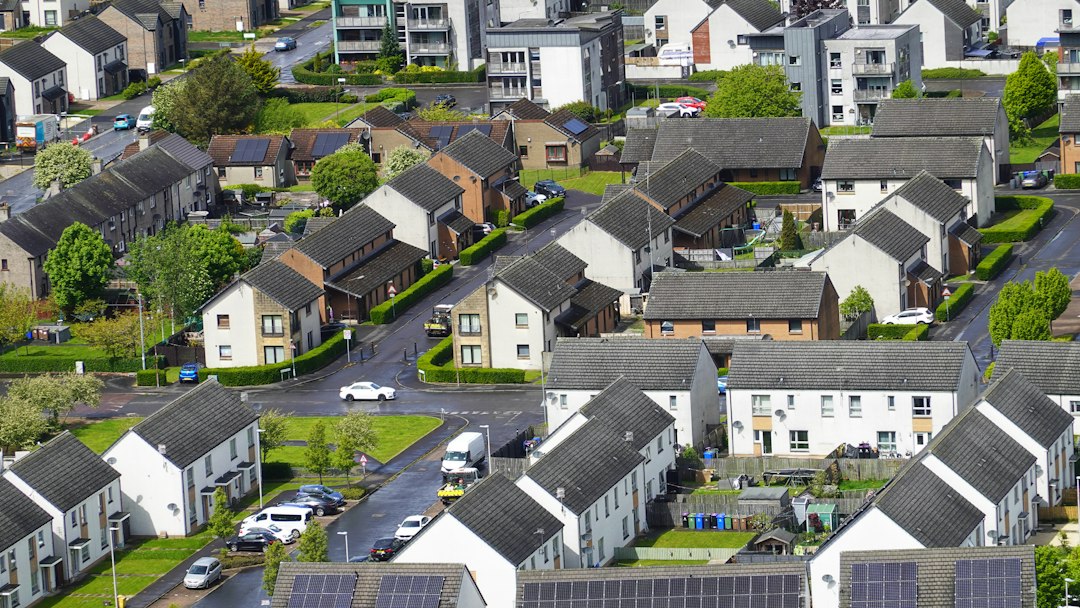
When hunting for a house in a prime location, it’s critical to understand what makes a neighborhood tick. Look for neighborhoods with low crime rates, good access to public transport, and an overall sense of community. Also, keep an eye out for the dreaded “vacant house syndrome”—if you can count more empty houses than people on your block, you might want to steer clear. Think of it as neighborhood Tinder; swipe left on the “Ugly Duckling” areas!

Assessing Local Amenities and Services

Amenities can make or break your living experience. Check for proximity to grocery stores, parks, gyms, restaurants, and coffee shops—because let’s be real, a neighborhood without decent caffeine is a neighborhood you might regret. Don’t forget public services, like hospitals and fire stations, which are as valuable as that hidden gem taco truck around the corner.

Evaluating School Districts and Education Quality

Even if you don’t have kids (or even if they’re furry), good schools can boost your home’s value and desirability. Research school ratings, extracurricular programs, and overall performance. A stellar school district can mean you’ll pay a bit more upfront, but it might save you money when you decide to sell in the future. After all, who doesn’t want a little extra equity alongside their morning avocado toast?

Utilizing Online Real Estate Platforms

Popular Websites and Apps

Welcome to the digital age of home hunting! Websites like Zillow, Realtor.com, and Redfin are your new best friends. They offer extensive listings that you can filter based on your personal criteria—price, size, and even whether or not it has a hot tub (because, let’s face it, who doesn’t want to live like a reality TV star?). Apps are great for browsing while you’re in line for coffee, turning your caffeine fix into a productive home search time!

Setting Up Alerts for New Listings

Don’t let your dream home slip through your fingers like a slippery slice of pizza—set up alerts on real estate platforms! By turning on notifications for new listings, you’ll be the first to know when the perfect house hits the market. Just don’t forget to breathe. Refreshing that app every five seconds won’t help—it can actually lead to an online dating level of frustration.

Reading Reviews and Ratings

Before you dive head-first into a bidding war, read the reviews! Home ratings from previous buyers can reveal neighborhood quirks you’d never discover in the glossy photos. Look for comments on noise levels, community vibes, and even the quality of the local pizza place (very important!). It’s all about making an informed decision—like choosing the right avocado at the grocery store.

Engaging with Local Real Estate Agents

Choosing the Right Agent

A savvy real estate agent can be your secret weapon in the housing hunt. Look for someone who specializes in your desired neighborhoods (bonus points if they’ve got a solid grasp of the local coffee scene). You want someone who’s enthusiastic, responsive, and knows the market better than you know the lyrics to your favorite breakup song.

Questions to Ask Before Hiring

Come prepared with questions that dig deep. Ask your potential agent about their experience, strategies for bidding wars, and how they handle negotiations. And hey, while you’re at it, inquire about their go-to pizza joint (because it’s always important to discuss priorities). A good agent should be just as excited about your dream home as you are.

Leveraging Local Expertise

The right agent doesn’t just show you houses for sale, they know the community inside out. Use their expertise to your advantage. Ask about upcoming developments, hidden gem neighborhoods, and even resale values for the future. They can provide insights that online listings just can’t offer—like where the best dog park is located (which, let’s be honest, is a crucial factor for pet owners).

Exploring Neighborhoods: On-the-Ground Strategies

Driving Through Target Areas

There’s no substitute for the good old-fashioned Sunday drive. Spend an afternoon cruising through your target neighborhoods, taking in the vibe. Look for “For Sale” signs, but also pay attention to the overall feel. Are the lawns well-kept? Do people seem friendly? If it feels like the setting of a cheesy rom-com, you might have just found your future home.

Identifying Potential Listings

As you explore, take note of any houses that pique your interest and jot them down (or take sneaky phone pics—but let’s not get too creepy). If you see a home that’s perfect but not yet listed, you might just be able to pounce on it before the rest of the world knows it’s up for grabs. Just remember to connect the dots, and don’t be afraid to reach out to sellers directly if you see a “For Sale By Owner” sign—who knows, you might land a deal.

Connecting with Neighbors

Neighbors can be a treasure trove of information! Don’t be shy—strike up conversations and ask about their experiences living in the area. They can tell you about local events, safety concerns, and even which pizza place delivers the fastest (super important intel). Plus, making connections can lead to unexpected opportunities to find listings before they hit the market! So put on your best smile and become the neighborhood social butterfly.

Attending Open Houses and Real Estate Events

What to Look for in Open Houses

When you step into an open house, it’s not just about swooning over the granite countertops. Take mental notes on the layout, lighting, and storage—look for your inner Marie Kondo. Pay attention to the neighborhood vibe. Is it bustling with life or eerily quiet? These houses can seem charming, but you’ll want to ensure you blend in well when you stroll out in your slippers.

Networking at Real Estate Events

Real estate events are like the cocktail parties of the property world, minus the hors d’oeuvres (unless you bring your own). Bring your best elevator pitch about your dream home and don’t forget business cards. Chat with realtors, investors, and even other home-hunters; you never know who might know about the hidden gems that aren’t listed yet. Bonus points for asking questions that’ll make you sound like a savvy buyer!

Following Up After Events

After you’ve schmoozed your way through the crowd, it’s time for the follow-up! Send a quick email or message to those you met. Keep it casual, but remind them of your conversation. Mention how you’d love to learn more about properties in the area. Think of it as a polite tap on the shoulder saying, “Hey, don’t forget about me—I’m the charming one!”

Leveraging Social Media and Community Networks

Joining Local Real Estate Groups

houses for sale

Facebook groups, LinkedIn, or even your town’s forum can be gold mines for finding houses in prime locations. Join local real estate groups and dive into the discussions. You’ll find listings that haven’t made it to the mainstream market yet. Plus, it’s a great way to pick up insider tips—like where to get the best tacos within two blocks of your prospective new home.

Using Platforms Like Facebook and Nextdoor

Platforms like Facebook Marketplace and Nextdoor can be surprisingly effective for finding houses for sale. Post a “wanted” ad or search through local listings. Nextdoor, in particular, is where neighbors become the unofficial real estate gossip column. Just remember: always approach posts with skepticism; the neighborhood kid selling lemonade might not have the latest market insights.

Engaging with Local Influencers

Yes, even local influencers can help you find your dream home! Follow real estate agents, home design gurus, and even local bloggers who focus on your desired area. They often post about upcoming listings before they hit the market. Plus, they know all the best local hangouts, schools, and parks. Who knew stalking could help you find a house?

Analyzing Market Trends and Neighborhood Data

Understanding Market Conditions

Getting cozy with market conditions is essential to knowing the right time to pounce on a property. Dive into statistics like average days on market and price trends. Is it a buyer’s market or seller’s dreamland? Understand these terms, and you’ll sound like you’ve been in the real estate game forever—just without the awkward small talk about interest rates!

Utilizing Real Estate Reports and Statistics

Don’t shy away from digging into real estate reports. Sites like Zillow and Realtor.com are chock-full of info. Read up on neighborhood sales history, demographics, and future developments. This data will help you make an informed decision and impress anyone who dares question your knowledge on the subject.

Forecasting Future Growth

Keep an eye on areas poised for growth. Check for upcoming infrastructure projects, businesses moving in, or a Starbucks on every corner (because when the coffee chains arrive, you know it’s only going up!). Historical data can give you insights into how neighborhoods evolve over time, so do a little detective work before you seal the deal!

Financing Options for Purchasing in Prime Locations

Understanding Your Budget

Before you start daydreaming about that gorgeous home, define your budget. Factor in not just the mortgage but also property taxes, insurance, and a little extra for those inevitable “I thought this was included” moments. Knowing your limits will help you stay grounded, even as your mind wanders into your Pinterest dream board.

Exploring Mortgage Options

Once you have a budget, it’s time to dive into mortgage options. Speak to lenders about different types of loans—fixed-rate, adjustable-rate, and those mystery loans that sound too good to be true. Remember, you want a mortgage that feels right for you, not one that’ll keep you up at night worrying about interest rates.

Preparing for Offers in Competitive Markets

In prime locations, you’re not just competing with other buyers—you’re up against their carefully curated Instagram feeds too. Be prepared to make a strong offer right from the start, possibly even above asking price if the situation calls for it. Have your finances in order and a pre-approval letter at the ready. This is no time to hesitate; you want to show the sellers you mean business (and that you know how to party in real estate!).In conclusion, finding a house for sale in a prime location requires a combination of research, networking, and strategic planning. By utilizing the resources and strategies outlined in this article, you can enhance your home-buying journey and increase your chances of discovering the perfect property. Remember to stay informed about market trends, engage with local professionals, and remain proactive in your search. With patience and determination, you can secure a home that not only meets your needs but also offers a desirable lifestyle in a sought-after neighborhood.

Frequently Asked Questions

What defines a prime location for real estate?

A prime location typically includes factors such as low crime rates, good schools, access to public transportation, proximity to shopping and dining, and overall community amenities that enhance quality of life.

How can I find listings in competitive markets?

To find listings in competitive markets, consider setting up alerts on real estate platforms, working with a local real estate agent who has inside knowledge, and being ready to act quickly when new properties become available.

Is it necessary to hire a real estate agent when searching for a home?

While it’s possible to search for a home independently, hiring a real estate agent can provide valuable insights, access to exclusive listings, and negotiation expertise, making the home-buying process smoother and more efficient.

What should I prioritize when visiting potential neighborhoods?

When visiting potential neighborhoods, prioritize assessing the quality of local schools, evaluating nearby amenities and services, observing community safety, and considering commute times to work or other frequently visited locations.


Government Stimulus and Housing Policies

Discover how Government Stimulus and Housing Policies can Help you Secure Your Dream Home .

In recent years, government stimulus measures and housing policies have become increasingly intertwined as nations grapple with economic fluctuations and housing crises. These interventions aim to stabilize and stimulate the housing market, making homeownership more accessible and affordable for a broader segment of the population. From tax incentives and subsidies to direct financial assistance, the landscape of government support has evolved significantly. This article delves into the various dimensions of government stimulus and housing policies, exploring their historical context, impacts on market trends, regional disparities, and long-term implications, while also addressing the challenges and critiques of current approaches. By understanding these dynamics, we can better comprehend the future of housing in an ever-changing economic landscape.

Overview of Government Stimulus Measures

Definition and Purpose of Stimulus

government stimulus and housing policies

Government stimulus measures are like the financial equivalent of a double shot of espresso for the economy. Their main goal is to kickstart growth during downturns by boosting spending, investment, and consumption. Essentially, they aim to get the wheels of the economy turning when they’ve been stuck in a rut, often leading to a job-rich recovery and improved economic stability.

Types of Stimulus Programs

Stimulus programs come in various flavors, each designed to target specific economic woes. Think of them as a buffet: – **Direct Payments**: Cash payments to individuals—because who doesn’t love a surprise check? – **Tax Cuts**: Reductions in taxes to leave more money in your pocket for that new fancy coffee maker. – **Infrastructure Investments**: Government spending on roads, bridges, and schools, creating jobs and making life a little less bumpy. – **Housing Support**: Programs aimed at keeping people in their homes or helping them find new ones, ensuring the American Dream doesn’t turn into a nightmare.

Recent Government Initiatives

In response to recent economic hiccups, governments have rolled out a smorgasbord of initiatives. Measures like the CARES Act aimed at providing financial relief during the pandemic included unemployment benefits, direct payments, and support for renters and homeowners. Additionally, programs focusing on low-interest loans and down payment assistance have made homeownership a little less daunting, especially for first-time buyers.

Historical Context of Housing Policies

Evolution of Housing Policies in the 20th Century

Housing policies in the 20th century were like the awkward teenage phase of a nation figuring out its style. From the establishment of the Federal Housing Administration (FHA) in the 1930s, which introduced mortgage insurance to promote homeownership, to the Fair Housing Act of 1968, which aimed to eliminate discrimination—these policies evolved to tackle systemic issues while attempting to make homeownership accessible to all.

Major Legislation Impacting Housing

Key legislation has etched significant marks on the housing sector, starting with the GI Bill post-World War II, which unlocked homeownership for returning veterans. Fast forward to the Community Reinvestment Act of 1977, which nudged banks to lend to underserved neighborhoods. Each law has sprouted its own chain reactions in the housing market, shaping affordability and lending practices to this day.

Lessons from Past Economic Crises

What do we learn from past economic crises? A lot. The 2008 housing bubble burst taught us that unchecked lending practices and speculative investments could lead to devastating fallout. Keeping a keen eye on lending standards and ensuring equitable access to housing emerged as crucial takeaways. Ultimately, history reminds us that a robust housing policy needs continuous tweaking like a classic car—maintain it well, or risk a breakdown.

Impact of Stimulus on Housing Market Trends

Effects on Home Prices

Stimulus measures often lead to a rollercoaster effect on home prices. When buyers receive financial boosts, demand generally increases, driving up prices—think of it as too many people wanting the last avocado at the store. However, if supply can’t keep up, we might see prices soar to the moon, leaving many scratching their heads in disbelief.

Changes in Housing Demand

As stimulus measures pump cash into the economy, housing demand typically sees a boost, with an uptick in first-time buyers and families looking to upgrade their living situations. This can create a tight market, making it tricky for some to find their dream homes—especially if they have a budget tighter than their favorite pair of jeans after the holidays.

Influence on Rental Markets

The rental market also plays a game of cat and mouse with stimulus measures. Increased household income can push many towards homeownership, potentially causing a slight dip in rental demand. Conversely, if the stimulus keeps renters afloat, they might stick around, impacting rental prices and vacancy rates. It’s like playing musical chairs, but with people’s homes.

Analysis of Housing Affordability and Access

Definitions of Affordability

Housing affordability is like trying on shoes—if they pinch, they’re not right for you. Generally, a home is considered affordable if its cost doesn’t exceed 30% of a household’s gross income. But that’s just the tip of the iceberg; factors like location, local income levels, and current market conditions all affect whether a home fits the budget or feels like a financial squeeze.

Demographic Disparities in Housing Access

Not everyone has the same access to housing, and that’s a big deal. Factors such as race, income level, and geographical location can create disparities in homeownership rates. Minority and low-income families often face steeper barriers, making it tougher to break into the housing market without support. Addressing these discrepancies is crucial for creating a more equitable housing landscape.

Role of Subsidies and Tax Incentives

Subsidies and tax incentives are like a financial lifeline for many aspiring homeowners. Programs that offer down payment assistance or tax credits can make all the difference, especially for those on the cusp of homeownership. They help level the playing field, nudging the dream of owning a home closer to reality for those who might otherwise find themselves locked out of the market.

Regional Differences in Stimulus Effectiveness

Urban vs. Rural Impacts

When it comes to government stimulus packages, urban areas often get the spotlight—think vibrant cityscapes, bustling economies, and high demand for housing. The influx of cash tends to fuel development in these spaces, leading to soaring housing prices and making the American Dream feel less dreamy for many residents. On the flip side, rural areas frequently see a slower response to stimulus measures. Here, the focus may be on maintaining existing structures rather than new developments. This can result in underwhelming outcomes for housing markets that really need a jolt. So while cities might be seeing a housing boom, their rural counterparts may still be waiting for their turn at the party.

State-Specific Policies and Outcomes

Not all states are created equal when it comes to housing policies spurred by government stimulus. Some states have embraced aggressive tax incentives and zoning reforms, leaving other states to twiddle their thumbs and wonder what went wrong. For instance, California’s creative approach to affordable housing has resulted in innovative projects that keep some residents from packing their bags for greener pastures, whereas states with less proactive policies often find themselves with stagnant markets and frustrated constituents. The effectiveness of stimulus varies widely, with state-specific policies often determining whether the outcome is a housing success story or a cautionary tale.

Comparative Analysis of Global Approaches

Look beyond the borders of the U.S., and you’ll see a fascinating array of approaches to housing stimulus. Some countries throw money at their housing markets like confetti (hello, Germany!), while others take a more conservative route, focusing on long-term investments and sustainability (looking at you, Sweden). Understanding these global approaches provides important lessons about what works and what doesn’t. For instance, countries that prioritize social housing tend to have lower homelessness rates, which might make you wonder if the U.S. should take a page out of their playbooks. In the grand scheme of things, a little bit of international inspiration could go a long way in informing future housing policies.

Long-term Implications for Housing Policy

Sustainability of Stimulus Measures

Sure, a surge of government cash can work wonders in the short term, but what about sustainability? As they say, what goes up must come down—or at least plateau. Housing markets that rely too heavily on stimulus measures may find themselves in a tricky position once the money runs dry. These measures can’t just be quick fixes; they need to be part of a larger, more sustainable strategy to bolster housing availability. Ideally, we’d like to see policies that create long-term growth—because let’s face it, no one wants to be stuck in a housing rollercoaster.

Potential for Policy Reforms

Government stimulus isn’t just a band-aid; it’s often a wake-up call for necessary policy reforms. The discussion on zoning laws, tenant protections, and affordable housing initiatives heats up as communities realize that short-term fixes can lead to long-term deficiencies. Policymakers may finally pay attention to issues that have lingered for years—acting like a kid who finally does their homework after staying up way too late. This momentum creates an opportunity to design housing policies that reflect the realities of today’s market and the needs of tomorrow’s residents.

Future Housing Market Predictions

government stimulus and housing policies

Peering into the crystal ball of housing market predictions is like trying to read the tea leaves: it takes an educated guess, a sprinkle of luck, and maybe a pinch of magic. However, if current trends continue, we might see an increasingly polarized market. Affordability issues may worsen for middle and lower-income households, while luxury developments soar to new heights. The pressure for sustainable housing solutions will likely intensify, as buyers and renters demand more from their living spaces. Ultimately, the landscape of housing will undoubtedly shift, but how exactly? Well, stay tuned—it’s bound to be an interesting plot twist.

Critiques and Challenges of Current Approaches

Economic Arguments Against Stimulus

Critics of government stimulus often argue that it risks creating a false sense of security in the housing market. Essentially, throwing money at an issue doesn’t fix systemic problems; it just shuffles them around like a bad deck of cards. Detractors also warn of inflationary pressures and market distortions, claiming that by artificially inflating demand, we could end up with another housing bubble before we even finish popping the last one. In a nutshell, some economists argue that a healthy market needs to feel the sting of its own failures to truly thrive.

Social Justice Considerations

The discussion around housing stimulus isn’t just about dollars and cents; it weaves heavily into social justice concerns. Who really benefits from these policies? Often, it’s the well-off who can access the most lucrative properties that thrive under stimulus. Marginalized communities frequently find themselves left out of the loop, facing gentrification and displacement where once they had stable homes. A truly effective housing policy needs to address these imbalances and ensure that all citizens, regardless of their economic background, have a place to call home.

Implementation and Bureaucratic Hurdles

Ah, bureaucracy—the great obstacle to progress. Even the most well-intentioned housing policies can get tangled in red tape and mismanagement. From local governments struggling to implement stimulus measures effectively to delays in funding that stretch into eternity, these challenges can lead to unmet needs and frustration among those waiting for assistance. Streamlining processes and ensuring that funds reach those who need them most is essential if we want these policies to deliver tangible results. Until then, it’s a wild ride on the bureaucratic rollercoaster.

Future Directions for Government Involvement in Housing

Innovative Solutions and Policies

As we look to the future, government involvement in housing is ripe for innovation. Whether it’s through the use of modular housing, community land trusts, or creative financing solutions, there’s no shortage of potential ways to tackle housing challenges. Policymakers, developers, and advocates must collaborate to break free from stale approaches, proactively creating solutions that address the evolving needs of diverse communities. The future of housing is about adaptability, so let’s get those creative gears turning!

Public-Private Partnerships

Public-private partnerships (PPPs) are like peanut butter and jelly—two great tastes that could make housing even better. The collaboration between government entities and private developers can lead to affordable housing solutions that benefit everyone involved. By pooling resources and expertise, these partnerships can maximize efficiency, reduce costs, and help reach underserved populations. As we move forward, fostering these relationships will be crucial in developing and implementing effective housing policies that make a real difference.

The Role of Technology in Housing Solutions

In an increasingly digital age, technology is set to revolutionize the housing market. From using AI to analyze housing trends to employing virtual reality for property tours, technology can streamline processes and improve the overall experience for buyers and renters. Innovations like blockchain for secure transactions and smart homes that enhance living conditions are justAs we move forward, the intersection of government stimulus and housing policies will continue to play a critical role in shaping our housing landscape. The effectiveness of these measures in promoting affordability, accessibility, and stability in the market remains a vital concern for policymakers and citizens alike. By learning from past experiences and adapting to new challenges, we can work towards creating a more equitable housing environment that benefits all members of society. The ongoing dialogue surrounding these issues will be essential in paving the way for innovative solutions and sustainable practices in the future.

Frequently Asked Questions

What is government stimulus in the context of housing?

government stimulus and housing policies

Government stimulus and housing policies refers to various fiscal measures taken by the government to promote economic growth, specifically aimed at stabilizing or enhancing the housing market. This includes programs such as tax incentives, subsidies for homebuyers, and funding for affordable housing projects.

How do housing policies affect affordability?

Housing policies can significantly influence affordability by regulating the supply and demand of housing, providing financial assistance, and promoting development in underserved areas. Effective policies can lead to lower housing costs and improved access for low- and middle-income families.

What are the potential drawbacks of government intervention in housing?

While government intervention can provide short-term relief, it may also lead to market distortions, dependency on subsidies, and bureaucratic inefficiencies. Critics argue that long-term reliance on stimulus measures can hinder market self-correction and create unsustainable economic practices.

How can individuals stay informed about housing policies and stimulus measures?

Individuals can stay informed by following government announcements, engaging with local housing advocacy groups, and accessing online resources that track housing policies. Additionally, subscribing to newsletters and participating in community forums can provide valuable insights into ongoing changes in housing policy and market dynamics.

Housing Affordability Index in the USA

Housing Affordability Index in the USA, Learn About Current Trends.

The Housing Affordability Index is a critical metric that measures the relationship between median household income and the costs associated with purchasing or renting a home. As housing markets fluctuate and economic conditions evolve, understanding this index becomes increasingly important for potential homebuyers, renters, and policymakers alike. This article delves into the various factors that influence housing affordability, explores historical trends, and examines regional variations. Additionally, it highlights the impact of economic conditions on the index and discusses potential policy responses to the challenges of housing affordability. By providing insights and resources, this comprehensive analysis aims to equip readers with the knowledge needed to navigate the complex landscape of housing affordability.

Understanding the Housing Affordability Index

Definition of the Index

Housing Affordability Index

The Housing Affordability Index (HAI) is like a financial mood ring for homebuyers and renters. It’s a nifty tool that measures whether people can afford to buy or rent homes in a specific area, factoring in their income, home prices, and mortgage rates. A higher index means homes are more affordable, while a lower index might have you clutching your wallet in despair.

How the Index is Calculated

Calculating the HAI is like mixing a cocktail—just the right ingredients lead to a delightful outcome. The formula typically involves median household income, median home prices, and current mortgage rates. Specifically, it takes the ratio of median home price to median income and adjusts for borrowing costs. If this sounds like math class, don’t worry—understanding it is simpler than nailing a cartwheel!

Importance of the Index in Real Estate

The HAI is crucial for anyone dabbling in real estate, be it buyers, sellers, or agents. It provides a snapshot of the housing market’s health, helping potential buyers gauge whether they’re swimming in the shallow end or attempting to dive into the deep end. If the index is low, it might be time to reconsider your dream of a mansion and settle for a cozy condo instead!

Factors Influencing Housing Affordability

Income Levels and Employment Rates

Income and job stability are like the bread and butter of housing affordability. When people earn more and have secure jobs, they’re more likely to afford that picket fence. Conversely, when incomes stagnate or employment drops, buying a house can feel about as likely as finding a unicorn in your backyard.

Interest Rates and Mortgage Availability

Interest rates are the sneaky ninjas of the housing market. When they drop, buying a home becomes more appealing, like a flash sale on your favorite gadget. But when rates rise, mortgage payments can feel like trying to lift a weight you aren’t ready for, making homes less affordable. Plus, the availability of loans can influence how many people can join the homebuying party—no one wants to be left out!

Supply and Demand Dynamics

Housing is subject to the classic law of supply and demand, making it a bit like the latest trendy clothing item. When demand exceeds supply, prices soar—hello bidding wars! Conversely, when there are more homes than buyers, prices often drop, making it a great time to snag a deal. Understanding these dynamics can be the difference between moving into your dream home or settling for something a bit… less dreamy.

Historical Trends in Housing Affordability

Decadal Comparisons

Looking at housing affordability across decades is like scrolling through a family photo album—there are highs and lows, and a few eyebrow-raising moments. The 2000s saw rising homeownership rates, but the financial crisis of 2008 turned many home buyers’ dreams into nightmares. By comparing these decades, we can see how economic conditions, policies, and trends shaped the current landscape.

The Impact of Economic Crises

Economic crises are the ultimate party poopers of housing affordability. The 2008 recession left many homeowners underwater (and not in the fun pool way), drastically reducing home values and making it harder for new buyers to enter the market. Each crisis brings lessons, and understanding them can help forecast future trends—because, let’s be real, no one wants to repeat past mistakes.

Shifts in Demographics and Preferences

Demographics play a leading role in the housing affordability saga. As millennials and Gen Z become the dominant home-buying forces, their preferences—think urban living, eco-friendly homes, and smaller footprints—are reshaping the market. These shifts demand a reevaluation of what “affordable” really means for different age groups and lifestyles. Spoiler alert: the avocado toast generation has a unique perspective!

Regional Variations in the Housing Affordability Index

Urban vs. Rural Areas

Urban and rural areas can feel like completely different worlds when it comes to housing affordability. In cities, high demand drives prices up, making it tough for many to find an affordable option. Meanwhile, rural areas often boast lower prices but may lack some of those fancy amenities city dwellers crave. It’s a classic case of “you get what you pay for” — but at least you can enjoy a wide-open space!

State-by-State Analysis

Hopping from one state to another can be a wild ride in terms of housing affordability. Some states, like California, might offer stunning coastlines but also jaw-dropping home prices. Others, like Texas, offer more reasonable prices and spacious living. Analyzing these differences can help potential buyers make informed decisions—for example, maybe it’s time to reconsider that dream in San Francisco and look at the charms of Austin instead!

Global Comparisons

When we take a global perspective, the variations in housing affordability can be eye-opening. Some countries have comprehensive policies that help keep housing costs down, while others might be grappling with skyrocketing prices. Comparing the affordability index globally not only highlights how different policies and economic factors play out but also provides valuable insight for future housing strategies, proving that home sweet home is truly a worldwide endeavor!

Impact of Economic Conditions on Housing Affordability

Recession and Recovery Effects

Housing affordability often dances to the tune of our economy—when the music slows down during a recession, many are left tapping their toes to a budget that doesn’t stretch. Job losses and wage stagnation can make homeownership feel like a faraway dream, and housing prices may dip, but so do most people’s hopes of actually being able to buy. Recoveries bring their own quirks too: as the economy rebounds, prices can skyrocket faster than a kid on a sugar high, leaving many still scrambling to keep up.

Inflation and Cost of Living

Inflation, the sneaky villain of the economy, has a knack for messing with housing affordability. As prices rise for everyday essentials—like that avocado toast everyone loves—so do housing costs, creating a perfect storm for renters and buyers. The cost of living creeps up, and suddenly, your paycheck feels less like a paycheck and more like a suggestion. This squeeze makes it harder to save for that down payment, turning potential homeowners into full-time dreamers.

Government Stimulus and Housing Policies

Government action can be a double-edged sword in the housing arena. Stimulus packages can provide timely relief, pumping money into the economy and revitalizing housing markets. However, these measures can also lead to unintended consequences, like rising prices due to increased demand—so while Uncle Sam is trying to help, sometimes it feels like he’s just throwing gasoline on a fire. Smart housing policies can smooth out these bumps, but navigating this landscape requires a keen eye and a healthy dose of skepticism.

Policy Responses to Housing Affordability Challenges

Affordable Housing Initiatives

Affordable housing initiatives are like that reliable friend who shows up with pizza when you’re having a rough day. They aim to ensure everyone can find a roof over their head without having to sell their kidney. These programs can include everything from building new homes with price caps to rehabilitating old structures. With a friendlier price tag, families can find stability and live without sacrificing dinner for the next mortgage payment.

Zoning and Land Use Regulations

Zoning laws can feel as friendly as a bear with a sore head when it comes to housing affordability. Many regulations are intended to maintain the character of neighborhoods, but they often restrict the supply of affordable housing. Tweaking zoning laws could unleash a torrent of new developments that cater to diverse income levels. After all, who wouldn’t want a lively community of eclectic kitchens instead of a sea of vacant lots?

Subsidies and Financial Assistance Programs

Subsidies and financial assistance programs are the superhero squad in the housing affordability saga. They swoop in to offer help to low- and moderate-income families, providing funds for down payments or reducing monthly rent costs. Whether it’s federal grants or local programs, these financial lifelines can transform a daunting task into a feasible goal, making the dream of home ownership a little less Herculean.

Future Outlook for Housing Affordability

Predicted Trends and Changes

As we squint into the crystal ball of housing affordability, we see a few trends on the horizon. With the housing market evolving faster than a TikTok dance challenge, we might witness an increase in tiny homes, co-living spaces, and a gradual shift in suburban preferences. Millennials and Gen Z are increasingly drawn to urban areas, prompting developers to rethink how they design living spaces—hello, multifunctional kitchens!

Technological Innovations in Housing

The future of housing might just be a tech-savvy revolution. From 3D-printed homes to smart buildings equipped with energy-efficient features, technological innovations could reshape what we consider affordable. Imagine algorithms finding homes that match your budget while you sip coffee in your pajama pants! With the right tech, housing could become as accessible as your streaming playlist.

Potential Policy Shifts

Policy shifts are on the table, and they might have some surprising flavors. As community demands evolve, so too will the strategies to address housing affordability. Expect collaboration between public and private sectors to increase, with a focus on sustainable models and inclusivity. Who knows? We might even see policies that incentivize eco-friendly building practices, making futuristic homes not only affordable but also kind to our dear planet.

Resources for Homebuyers and Renters

Understanding Your Rights

Knowledge is power, especially when it comes to navigating the often murky waters of housing rights. Understanding your rights as a renter or homebuyer can save you from some serious headaches and potential scams. Local housing authorities and online resources can help demystify the legal jargon, empowering you to stand your ground and make informed decisions.

Finding Financial Assistance

When it comes to financial assistance, you don’t have to go at it alone. Numerous organizations and programs exist to help homebuyers and renters alike. Whether you’re seeking down payment assistance or rental help, there are resources waiting for you. Websites are packed with information, and local housing agencies are often just a phone call away—ready to help you find that little extra boost when it matters most.

Tools for Assessing Affordability

Several nifty tools can help you calculate and assess affordability, because who doesn’t love a good calculator? Online affordability calculators can take your income, expenses, and desired location into account to help you figure out what you can realistically afford. Plus, budgeting apps and resources can help you save up for that dream home without sacrificing your sanity—or your coffee habit.In conclusion, the Housing Affordability Index serves as a vital tool for understanding the complexities of the housing market and its accessibility to individuals and families. As we face ongoing economic challenges and shifting demographics, remaining informed about housing affordability is essential for making sound decisions, whether you are a prospective buyer, renter, or policymaker. By leveraging the insights and resources discussed in this article, stakeholders can better navigate the landscape of housing affordability and work towards solutions that promote equitable access to housing for all.

Frequently Asked Questions

What is the Housing Affordability Index?

The Housing Affordability Index measures the relationship between median household income and the costs of purchasing or renting a home, providing insight into how affordable housing is in a particular area.

How is the Housing Affordability Index calculated?

The index is typically calculated by comparing the median income of households in a specific region to the median home prices or rental rates, often factoring in mortgage interest rates and other housing-related expenses.

Why is housing affordability important?

Housing affordability is crucial as it impacts the ability of individuals and families to secure stable housing, influences economic stability, and affects overall quality of life in communities.

What factors can affect housing affordability?

Factors that can influence housing affordability include income levels, interest rates, supply and demand dynamics, economic conditions, and government policies aimed at housing markets.

Home Appraisal Checklist

Essential Home Appraisal Checklist for Sellers and Buyers .

Are you looking to buy or sell a home? If so, understanding the home appraisal process is essential. Appraisals are a critical part of the home buying and selling process, as they determine the fair market value of a property. To ensure a successful appraisal, both sellers and buyers should be prepared with a thorough home appraisal checklist. we will highlight the essential items that should be included in your propertyappraisal checklist.

For Sellers

home appraisal checklist

Ensure the Property is Clean and Well-Maintained

First impressions matter when it comes to home appraisals. To ensure your property is presented in the best possible light, make sure it is clean and well-maintained. This includes mowing the lawn, tidying up the landscaping, and decluttering the interior of the home.

Provide Necessary Documents

Gather all relevant documents related to the property, including any recent renovations or upgrades. This information will help the appraiser accurately assess the value of the home.

Make Necessary Repairs

If there are any glaring issues with the property, such as a leaky roof or faulty plumbing, consider making necessary repairs before the appraisal. Addressing these issues upfront can help prevent any surprises during the appraisal process.

Highlight Key Selling Points

Point out any unique features or upgrades that set your property apart from others in the area. This could include a recently renovated kitchen, energy-efficient appliances, or a spacious backyard.

For Buyers

Conduct a Pre-Appraisal Inspection

Before the official appraisal takes place, consider conducting a pre-appraisal inspection. This will give you a better understanding of any potential issues that may arise during the formal appraisal process.

home appraisal checklist

Research Comparable Properties

Do your homework and research comparable properties in the area. Understanding the market value of similar homes can help you make an informed decision when it comes to making an offer on a property.

Keep Emotions in Check

Buying a home can be an emotional process, but it’s important to keep your emotions in check during the appraisal. Remember, the home appraisal checklist is a professional assessment of the property’s value, not a reflection of your personal attachment to the home.

Be Prepared to Negotiate

Depending on the outcome of the appraisal, you may need to negotiate with the seller to reach a fair price. Be prepared to have open and honest discussions about the appraisal results and how they may impact the sale.
In conclusion, having a comprehensive home appraisal checklist is crucial for both sellers and buyers. By following these essential steps, you can ensure a smooth and successful appraisal process. Good luck with your home buying or selling journey!

Top Ten Kitchen Shortcuts for Indian Food Delights

We woke reasonably late following the feast and free flowing wine the night before. After gathering ourselves and our packs, we headed down to our homestay family’s small dining room for breakfast.

Refreshingly, what was expected of her was the same thing that was expected of Lara Stone: to take a beautiful picture.

We were making our way to the Rila Mountains, where we were visiting the Rila Monastery where we enjoyed scrambled eggs, toast, mekitsi, local jam and peppermint tea.

We wandered the site with other tourists

Yet strangely the place did not seem crowded. I’m not sure if it was the sheer size of the place, or whether the masses congregated in one area and didn’t venture far from the main church, but I didn’t feel overwhelmed by tourists in the monastery.

Headed over Lions Bridge and made our way to the Sofia Synagogue, then sheltered in the Central Market Hall until the recurrent (but short-lived) mid-afternoon rain passed.

Feeling refreshed after an espresso, we walked a short distance to the small but welcoming Banya Bashi Mosque, then descended into the ancient Serdica complex.

We were exhausted after a long day of travel, so we headed back to the hotel and crashed.

I had low expectations about Sofia as a city, but after the walking tour I absolutely loved the place. This was an easy city to navigate, and it was a beautiful city – despite its ugly, staunch and stolid communist-built surrounds. Sofia has a very average facade as you enter the city, but once you lose yourself in the old town area, everything changes.

Clothes can transform your mood and confidence. Fashion moves so quickly that, unless you have a strong point of view, you can lose integrity. I like to be real. I don’t like things to be staged or fussy. I think I’d go mad if I didn’t have a place to escape to. You have to stay true to your heritage, that’s what your brand is about.

Luxurious Four-Bedroom House with Roman Stone Bath House

We woke reasonably late following the feast and free flowing wine the night before. After gathering ourselves and our packs, we headed down to our homestay family’s small dining room for breakfast.

Refreshingly, what was expected of her was the same thing that was expected of Lara Stone: to take a beautiful picture.

We were making our way to the Rila Mountains, where we were visiting the Rila Monastery where we enjoyed scrambled eggs, toast, mekitsi, local jam and peppermint tea.

We wandered the site with other tourists

Yet strangely the place did not seem crowded. I’m not sure if it was the sheer size of the place, or whether the masses congregated in one area and didn’t venture far from the main church, but I didn’t feel overwhelmed by tourists in the monastery.

Headed over Lions Bridge and made our way to the Sofia Synagogue, then sheltered in the Central Market Hall until the recurrent (but short-lived) mid-afternoon rain passed.

Feeling refreshed after an espresso, we walked a short distance to the small but welcoming Banya Bashi Mosque, then descended into the ancient Serdica complex.

We were exhausted after a long day of travel, so we headed back to the hotel and crashed.

I had low expectations about Sofia as a city, but after the walking tour I absolutely loved the place. This was an easy city to navigate, and it was a beautiful city – despite its ugly, staunch and stolid communist-built surrounds. Sofia has a very average facade as you enter the city, but once you lose yourself in the old town area, everything changes.

Clothes can transform your mood and confidence. Fashion moves so quickly that, unless you have a strong point of view, you can lose integrity. I like to be real. I don’t like things to be staged or fussy. I think I’d go mad if I didn’t have a place to escape to. You have to stay true to your heritage, that’s what your brand is about.

Scandinavian Boho Three-bed Decorated with Neutral Tones

We woke reasonably late following the feast and free flowing wine the night before. After gathering ourselves and our packs, we headed down to our homestay family’s small dining room for breakfast.

Refreshingly, what was expected of her was the same thing that was expected of Lara Stone: to take a beautiful picture.

We were making our way to the Rila Mountains, where we were visiting the Rila Monastery where we enjoyed scrambled eggs, toast, mekitsi, local jam and peppermint tea.

We wandered the site with other tourists

Yet strangely the place did not seem crowded. I’m not sure if it was the sheer size of the place, or whether the masses congregated in one area and didn’t venture far from the main church, but I didn’t feel overwhelmed by tourists in the monastery.

Headed over Lions Bridge and made our way to the Sofia Synagogue, then sheltered in the Central Market Hall until the recurrent (but short-lived) mid-afternoon rain passed.

Feeling refreshed after an espresso, we walked a short distance to the small but welcoming Banya Bashi Mosque, then descended into the ancient Serdica complex.

We were exhausted after a long day of travel, so we headed back to the hotel and crashed.

I had low expectations about Sofia as a city, but after the walking tour I absolutely loved the place. This was an easy city to navigate, and it was a beautiful city – despite its ugly, staunch and stolid communist-built surrounds. Sofia has a very average facade as you enter the city, but once you lose yourself in the old town area, everything changes.

Clothes can transform your mood and confidence. Fashion moves so quickly that, unless you have a strong point of view, you can lose integrity. I like to be real. I don’t like things to be staged or fussy. I think I’d go mad if I didn’t have a place to escape to. You have to stay true to your heritage, that’s what your brand is about.

Modern Monochrome Home with Calm and Cosy Terrace and Steps

We woke reasonably late following the feast and free flowing wine the night before. After gathering ourselves and our packs, we headed down to our homestay family’s small dining room for breakfast.

Refreshingly, what was expected of her was the same thing that was expected of Lara Stone: to take a beautiful picture.

We were making our way to the Rila Mountains, where we were visiting the Rila Monastery where we enjoyed scrambled eggs, toast, mekitsi, local jam and peppermint tea.

We wandered the site with other tourists

Yet strangely the place did not seem crowded. I’m not sure if it was the sheer size of the place, or whether the masses congregated in one area and didn’t venture far from the main church, but I didn’t feel overwhelmed by tourists in the monastery.

Headed over Lions Bridge and made our way to the Sofia Synagogue, then sheltered in the Central Market Hall until the recurrent (but short-lived) mid-afternoon rain passed.

Feeling refreshed after an espresso, we walked a short distance to the small but welcoming Banya Bashi Mosque, then descended into the ancient Serdica complex.

We were exhausted after a long day of travel, so we headed back to the hotel and crashed.

I had low expectations about Sofia as a city, but after the walking tour I absolutely loved the place. This was an easy city to navigate, and it was a beautiful city – despite its ugly, staunch and stolid communist-built surrounds. Sofia has a very average facade as you enter the city, but once you lose yourself in the old town area, everything changes.

Clothes can transform your mood and confidence. Fashion moves so quickly that, unless you have a strong point of view, you can lose integrity. I like to be real. I don’t like things to be staged or fussy. I think I’d go mad if I didn’t have a place to escape to. You have to stay true to your heritage, that’s what your brand is about.

Interior Designer and Maude Interiors by Yvonne Designs

3

We woke reasonably late following the feast and free flowing wine the night before. After gathering ourselves and our packs, we headed down to our homestay family’s small dining room for breakfast.

Refreshingly, what was expected of her was the same thing that was expected of Lara Stone: to take a beautiful picture.

We were making our way to the Rila Mountains, where we were visiting the Rila Monastery where we enjoyed scrambled eggs, toast, mekitsi, local jam and peppermint tea.

We wandered the site with other tourists

Yet strangely the place did not seem crowded. I’m not sure if it was the sheer size of the place, or whether the masses congregated in one area and didn’t venture far from the main church, but I didn’t feel overwhelmed by tourists in the monastery.

Headed over Lions Bridge and made our way to the Sofia Synagogue, then sheltered in the Central Market Hall until the recurrent (but short-lived) mid-afternoon rain passed.

Feeling refreshed after an espresso, we walked a short distance to the small but welcoming Banya Bashi Mosque, then descended into the ancient Serdica complex.

We were exhausted after a long day of travel, so we headed back to the hotel and crashed.

I had low expectations about Sofia as a city, but after the walking tour I absolutely loved the place. This was an easy city to navigate, and it was a beautiful city – despite its ugly, staunch and stolid communist-built surrounds. Sofia has a very average facade as you enter the city, but once you lose yourself in the old town area, everything changes.

Clothes can transform your mood and confidence. Fashion moves so quickly that, unless you have a strong point of view, you can lose integrity. I like to be real. I don’t like things to be staged or fussy. I think I’d go mad if I didn’t have a place to escape to. You have to stay true to your heritage, that’s what your brand is about.

Taina Blue Retreat is a Converted Tower on the Greek Coast

0

We woke reasonably late following the feast and free flowing wine the night before. After gathering ourselves and our packs, we headed down to our homestay family’s small dining room for breakfast.

Refreshingly, what was expected of her was the same thing that was expected of Lara Stone: to take a beautiful picture.

We were making our way to the Rila Mountains, where we were visiting the Rila Monastery where we enjoyed scrambled eggs, toast, mekitsi, local jam and peppermint tea.

We wandered the site with other tourists

Yet strangely the place did not seem crowded. I’m not sure if it was the sheer size of the place, or whether the masses congregated in one area and didn’t venture far from the main church, but I didn’t feel overwhelmed by tourists in the monastery.

Headed over Lions Bridge and made our way to the Sofia Synagogue, then sheltered in the Central Market Hall until the recurrent (but short-lived) mid-afternoon rain passed.

Feeling refreshed after an espresso, we walked a short distance to the small but welcoming Banya Bashi Mosque, then descended into the ancient Serdica complex.

We were exhausted after a long day of travel, so we headed back to the hotel and crashed.

I had low expectations about Sofia as a city, but after the walking tour I absolutely loved the place. This was an easy city to navigate, and it was a beautiful city – despite its ugly, staunch and stolid communist-built surrounds. Sofia has a very average facade as you enter the city, but once you lose yourself in the old town area, everything changes.

Clothes can transform your mood and confidence. Fashion moves so quickly that, unless you have a strong point of view, you can lose integrity. I like to be real. I don’t like things to be staged or fussy. I think I’d go mad if I didn’t have a place to escape to. You have to stay true to your heritage, that’s what your brand is about.

Ambrose Seeks Offers on Downtown Building for Apartments

1

We woke reasonably late following the feast and free flowing wine the night before. After gathering ourselves and our packs, we headed down to our homestay family’s small dining room for breakfast.

Refreshingly, what was expected of her was the same thing that was expected of Lara Stone: to take a beautiful picture.

We were making our way to the Rila Mountains, where we were visiting the Rila Monastery where we enjoyed scrambled eggs, toast, mekitsi, local jam and peppermint tea.

We wandered the site with other tourists

Yet strangely the place did not seem crowded. I’m not sure if it was the sheer size of the place, or whether the masses congregated in one area and didn’t venture far from the main church, but I didn’t feel overwhelmed by tourists in the monastery.

Headed over Lions Bridge and made our way to the Sofia Synagogue, then sheltered in the Central Market Hall until the recurrent (but short-lived) mid-afternoon rain passed.

Feeling refreshed after an espresso, we walked a short distance to the small but welcoming Banya Bashi Mosque, then descended into the ancient Serdica complex.

We were exhausted after a long day of travel, so we headed back to the hotel and crashed.

I had low expectations about Sofia as a city, but after the walking tour I absolutely loved the place. This was an easy city to navigate, and it was a beautiful city – despite its ugly, staunch and stolid communist-built surrounds. Sofia has a very average facade as you enter the city, but once you lose yourself in the old town area, everything changes.

Clothes can transform your mood and confidence. Fashion moves so quickly that, unless you have a strong point of view, you can lose integrity. I like to be real. I don’t like things to be staged or fussy. I think I’d go mad if I didn’t have a place to escape to. You have to stay true to your heritage, that’s what your brand is about.

Patricia Urquiola Coats Transparent Glas Tables for Livings

1

We woke reasonably late following the feast and free flowing wine the night before. After gathering ourselves and our packs, we headed down to our homestay family’s small dining room for breakfast.

Refreshingly, what was expected of her was the same thing that was expected of Lara Stone: to take a beautiful picture.

We were making our way to the Rila Mountains, where we were visiting the Rila Monastery where we enjoyed scrambled eggs, toast, mekitsi, local jam and peppermint tea.

We wandered the site with other tourists

Yet strangely the place did not seem crowded. I’m not sure if it was the sheer size of the place, or whether the masses congregated in one area and didn’t venture far from the main church, but I didn’t feel overwhelmed by tourists in the monastery.

Headed over Lions Bridge and made our way to the Sofia Synagogue, then sheltered in the Central Market Hall until the recurrent (but short-lived) mid-afternoon rain passed.

Feeling refreshed after an espresso, we walked a short distance to the small but welcoming Banya Bashi Mosque, then descended into the ancient Serdica complex.

We were exhausted after a long day of travel, so we headed back to the hotel and crashed.

I had low expectations about Sofia as a city, but after the walking tour I absolutely loved the place. This was an easy city to navigate, and it was a beautiful city – despite its ugly, staunch and stolid communist-built surrounds. Sofia has a very average facade as you enter the city, but once you lose yourself in the old town area, everything changes.

Clothes can transform your mood and confidence. Fashion moves so quickly that, unless you have a strong point of view, you can lose integrity. I like to be real. I don’t like things to be staged or fussy. I think I’d go mad if I didn’t have a place to escape to. You have to stay true to your heritage, that’s what your brand is about.