Home Blog Page 4

Your Home with Smart Home Technology

Transform Your Home with Smart Home Technology.

Smart home technology has rapidly transformed the way we live, offering unprecedented convenience, security, and efficiency at our fingertips. As households increasingly embrace the Internet of Things (IoT), a wide array of devices and systems are becoming interconnected, allowing for seamless automation and control. From smart lighting and thermostats to advanced security systems and appliances, the integration of technology into our daily routines is reshaping modern living. However, as with any technological advancement, the rise of smart homes brings with it a set of challenges and concerns that must be addressed. This article explores the key components, benefits, popular devices, and potential drawbacks of smart home technology, while also looking ahead to future trends and developments in this exciting field.

Overview of Smart Home Technology

Definition and Concept

Smart home technology

Smart home technology refers to the collection of devices and systems that allow homeowners to control and monitor their home environment remotely, usually via smartphone apps or voice commands. Think of it as your house getting an IQ boost—turning mundane tasks into automated experiences, making it smarter than your average houseplant.

History and Evolution

The journey of smart homes began in the 1960s with the invention of the first home automation systems. Fast forward to the 1980s and 90s, when clunky devices were trying to get a grip on the future (think cassette players with blinking LED lights). The real breakthrough happened in the 2000s with the advent of Wi-Fi and cloud technology, giving birth to a new era where you could control your lights from your couch while wearing pajamas (no judgment here).

Key Components of Smart Homes

Smart Appliances

Smart appliances, like refrigerators that can tell you when you’re out of milk or ovens you can preheat from the grocery store, are revolutionizing kitchens everywhere. Imagine cooking dinner while binging your favorite show—now that’s multitasking at its finest!

Smart Lighting Systems

Gone are the days of fumbling for the light switch in a dark room. Smart lighting systems let you adjust brightness and colors with just a few taps or your voice. You can set the mood for a romantic dinner or a thrilling Netflix binge—all without getting up. Talk about a mood setter!

Home Security Systems

Security is a big deal, and smart home tech takes it up a notch. With smart cameras, doorbell cameras, and alarm systems, you can keep an eye on your fortress from anywhere. Because who wouldn’t want to check in on the cat (or possible intruders) while sipping a piña colada on the beach?

Smart Thermostats and HVAC

Imagine a thermostat that knows when you’re home and adjusts the temperature accordingly, or one you can tweak while you’re still in bed. Smart thermostats save energy and ensure your home is cozy when you need it, making them the ultimate energy-efficient companions that even your wallet will love.

Benefits of Smart Home Technology

Convenience and Automation

Smart home tech is all about making life easier. Forget about being tied to your chores—set schedules, automate tasks, and let technology take care of the grunt work. More time for leisure activities? Yes, please!

Energy Efficiency

With smart devices, you can optimize energy usage, leading to better energy bills and a greener planet. Smart thermostats, lighting, and appliances help you cut down on waste, so you can save cash while saving the environment. It’s like being a superhero without the cape.

Enhanced Security

Who doesn’t want a personal security team? Smart security systems allow for real-time monitoring and notifications, giving you peace of mind. You can even receive alerts if something suspicious happens, meaning you’ll always be in the loop—even if you’re halfway across the world.

Improved Quality of Life

From reducing stress to creating a more comfortable living environment, smart home technology enhances your quality of life. Whether you’re a busy parent juggling activities or a tech enthusiast wanting the latest gadgets, smart homes provide solutions that fit your lifestyle. Home sweet automated home!

Popular Smart Home Devices

Smart Speakers

Smart speakers are like your personal assistant who never needs a break—always ready to play your favorite tunes, answer questions, or control other smart devices. It’s pretty much the 21st-century equivalent of having a cool, tech-savvy friend at your beck and call.

Smart Cameras

Smart cameras keep an eye on everything from your front porch to the living room. With remote access and motion alerts, these devices ensure you’re never out of the loop. Plus, you can catch your pet doing adorable (or mischievous) things while you’re away.

Smart Locks

Forget about fumbling with keys or worrying about losing them—smart locks let you enter your home with a code or your smartphone. You can even grant access to guests remotely. Who knew home security could be so stylishly convenient?

Smart Plugs and Switches

Transform any regular device into a smart one with smart plugs and switches! Control your lamps, fans, or coffee machines right from your phone. It’s like giving your everyday gadgets a high-tech makeover.

Security and Privacy Concerns

Data Privacy Issues

Smart home devices collect a smorgasbord of data — from your daily habits to your coffee preferences (yes, they know you need that triple shot espresso at 8 AM). When this data is mishandled or falls into the wrong hands, it raises serious privacy red flags. Users must navigate the fine print of privacy policies, often a labyrinth of legal jargon, to ensure their personal information isn’t getting passed around like a hot potato.

Vulnerability to Hacking

Imagine your smart fridge being hacked and sending you reminders at 3 AM about expired milk. Not the kind of wake-up call you want! Smart devices can be like open windows for hackers if not properly secured. With IoT devices popping up like mushrooms after rain, each new gadget can potentially be a new entry point for cyber mischief. Keeping firmware updated and using strong passwords is your best defense — no “123456” allowed!

Best Practices for Security

To keep your smart home safe from digital intruders, start by changing those factory default passwords (because “admin” isn’t clever, folks!). Enable two-factor authentication whenever possible, and don’t forget to regularly update your device software. Lastly, maintain a separate network for your smart devices, ideally one that doesn’t mix with your work laptop. Think of it as giving your gadgets a cozy, gated community to play in while the hackers are left outside!

Future Trends in Smart Home Technology

Integration with AI and Machine Learning

Welcome to the future where your home learns your mood better than your closest friend! AI and machine learning are making smart homes not just “smart” but downright perceptive. Expect devices that can predict your preferences, adjust the lighting to suit your Netflix binge, or even brew coffee just as you stumble out of bed. Talk about a personal assistant who knows you better than you know yourself!

Increased Interoperability

Gone are the days of your smart light bulbs having an ongoing feud with your smart thermostat. The future promises a harmonious existence where devices from different brands can communicate like old pals. Think of it as a smart home ecosystem where everything syncs together seamlessly, creating a cohesive, stress-free environment. It’s like the UN, but for your gadgets.

Sustainability and Eco-Friendly Solutions

As we inch closer to a world of environmentally conscious living, smart home tech is right there in the front row. Expect devices that optimize energy usage, reduce waste, and even help you track your carbon footprint. The aim? To make your home not just smarter, but greener too. Who knew saving the planet could be so high-tech and trendy?

Integration with Smart Assistants

Compatibility with Major Platforms

Whether you’re team Alexa, Google Assistant, or Siri, the goal is universal: control your smart home with a wave of your hand or a simple voice command. Today’s smart devices are increasingly compatible with these major platforms, allowing you to command your home like a tech-savvy wizard. No magic wand needed, just a smart device!

Voice Control Features

Imagine rolling into your living room and saying, “Turn on the lights!” and voilà — you’re not caught fumbling in the dark. Voice control features have transformed how we interact with our homes, making it easier than ever to manage everything from the thermostat to the coffee maker. Just remember to work on your best commanding “Alexa” tone for optimal results!

Use Cases and Scenarios

From busy parents needing hands-free help to tech enthusiasts who want to dazzle friends with automated disco lights, the use cases for smart assistants in the home are endless. Picture this: you walk in after a long day, and with a simple phrase, your favorite playlist starts, the lights dim, and the oven preheats. It’s the ultimate welcome committee, and it doesn’t miss a beat.

Challenges in Adoption and Implementation

Cost Considerations

Let’s face it: outfitting your home with the latest tech can feel like trying to buy a small island with a private jet. While prices for smart devices are steadily dropping, the initial investment can still put a dent in your wallet. Users must balance the desire for a high-tech home with the reality of their budget — and remember, sometimes the “smart” choice is to postpone that latest gadget until the price goes down!

Technical Challenges

Even the savviest tech enthusiast can face hurdles when setting up smart home devices. Compatibility issues, connectivity problems, and the occasional “where on earth did I put that manual?” moment can frustrate even the most patient homeowner. Tech support is your friend, but sometimes it feels like pulling teeth to get assistance. But hey, that’s part of the fun, right?

Consumer Awareness and Education

With great technology comes great responsibility — and a serious learning curve! Many users enter the smart home world without fully understanding what they’re getting into. Education is key! Whether it’s online tutorials, community workshops, or simple trial and error, navigating the smart home landscape requires a bit of savvy. But don’t worry, you’ll be the neighborhood tech guru in no time!In conclusion, smart home technology presents a remarkable opportunity to enhance our everyday lives through increased convenience, security, and energy efficiency. As the landscape continues to evolve with innovative devices and systems, it is essential for consumers to stay informed about the benefits and potential challenges associated with this technology. By understanding the various components and best practices for security, individuals can make informed decisions that will lead to a more comfortable and connected living environment. Embracing smart home technology not only enriches our lives today but also paves the way for a more sustainable and efficient future.

Frequently Asked Questions

What is a smart home?

A smart home is a residence that uses devices and technology to automate and control various household functions, such as lighting, heating, security, and appliances, often remotely through a smartphone or centralized system.

Are smart home devices safe?

While many smart home devices have built-in security features, they can be vulnerable to hacking and data breaches. It’s crucial to implement strong passwords, keep software updated, and follow best practices for cybersecurity to enhance safety.

How do I get started with smart home technology?

Starting with smart home technology can be as simple as choosing a single device, like a smart speaker or smart bulb. From there, you can gradually expand your system by adding compatible devices that integrate with your existing setup.

Can smart home devices work together?

Yes, many smart home devices are designed to work together through compatible platforms and ecosystems, allowing for seamless integration and automation. It’s important to choose devices that support the same smart home standards for optimal interoperability.

Real Estate Finance: A Key to Investment Success

Discover How Real estate Finance Can Help You Achieve Your Property Investment Goals.

Discover how you can help yourself achieve your property investment goals. Learn expert tips and strategies to maximize your financial success in the real estate market.

Navigating the world of property investment can be both exciting and daunting, especially when it comes to understanding the financial aspects that drive success in this field. Real estate financing plays a crucial role in shaping investment strategies, providing the necessary tools and resources to achieve your goals. Whether you are a seasoned investor or just starting out, grasping the fundamentals of real estate financing can empower you to make informed decisions, mitigate risks, and ultimately maximize your returns. In this article, we will explore how embracing real estate funding can help you unlock opportunities and strategically advance your property investment journey.

Understanding Real Estate Financing: A Key to Investment Success

Defining Real Estate Funding

real estate finance

Real estate finance is essentially the art and science of funding property transactions. It covers everything from securing loans to understanding various investment structures. Picture it as your financial passport to the real estate world, where properties transform from mere square footage into lucrative assets. Whether you’re eyeing a cozy duplex or a sprawling shopping center, understanding the financial gears that turn behind the scenes is crucial for making informed decisions.

Importance of Financial Knowledge in Real Estate

In the real estate game, ignorance can cost you. Knowledge of real estate finance isn’t just a nice-to-have; it’s the secret ingredient in your investment success recipe. From calculating cash flow to understanding interest rates, having a solid grasp of financial principles empowers you to navigate the complexities of property investment confidently. It’s like knowing the cheat codes to a video game—suddenly, what seemed daunting becomes a thrilling adventure!

The Role of Financing in Property Investment Strategies

How Financing Influences Investment Decisions

Financing can make or break your property investment decisions. It determines how much capital you can access, shapes your risk appetite, and influences your choice of properties. A solid financing plan can unlock opportunities that you might think are out of reach. So, whether you’re planning to go big with a multi-family unit or play it safe with a single-family home, understanding how financing works is like having a GPS for your investment journey.

Integrating Financing into Your Investment Plan

Integrating financing into your investment strategy isn’t just smart; it’s essential. You wouldn’t set sail without checking the weather, right? Similarly, crafting a tailored financing plan helps you understand your overall return potential and risk exposure. From choosing the right loan type to timing your purchases, a well-structured financing approach maximizes your profits and minimizes nasty surprises down the line. Think of it as the backbone of your investment strategy—without it, you might just find yourself in a bit of a pickle!

Types of Real Estate Financing Options Available

Traditional vs. Alternative Financing Methods

When it comes to financing, you have options galore! Traditional financing methods, like bank loans and mortgages, are the tried-and-true routes that many investors take. They offer stability and familiarity, like a good ol’ cup of coffee. On the flip side, alternative financing methods, such as hard money loans or crowdfunding, can provide quicker access to funds and creative solutions when the conventional route isn’t a perfect fit. It’s all about finding the right blend to suit your unique investment style.

Understanding Mortgages and Loans

Mortgages and loans may sound like a snooze-fest, but they’re the bread and butter of real estate finance. A mortgage is essentially a loan specifically for buying property, secured by that very property (so don’t go running off with the cash!). Understanding the differences between fixed-rate and adjustable-rate mortgages, plus the various loan terms available, can save you from a world of financial hurt. Plus, it enables you to choose the path that best aligns with your investment goals. Knowledge really is power!

Creative Financing Solutions

When traditional financing options don’t cut it, it’s time to unleash your inner financial Picasso. Creative financing solutions, like seller financing, lease options, or even partnerships, can open doors to opportunities that might have seemed impossible. These strategies can be particularly useful for investors looking to minimize out-of-pocket expenses or take advantage of market conditions. So, don’t be afraid to think outside the box—sometimes, the best investment strategy is the one that hasn’t been thought of yet!

How to Leverage Financing to Maximize Returns

Using Leverage to Increase Portfolio Size

Leverage is the real estate investor’s best friend—when used wisely, of course! By using borrowed capital to finance your investments, you can increase your purchasing power and expand your portfolio without draining your savings. This means you can control more properties while only putting down a fraction of their total value. Just remember, with great power comes great responsibility, so be mindful of your debt-to-income ratio and avoid overextending yourself!

Calculating Return on Investment (ROI)

Calculating your return on investment (ROI) is like checking the score at the end of a game—you want to know if you’ve won! ROI metrics help you evaluate how well your investment is performing compared to other options, including the stock market and savings accounts. By analyzing factors like rental income, appreciation, and expenses, you can make data-driven decisions that maximize your overall returns. After all, investing should be fun, but it should also pay off!

Assessing Risk: Navigating Financial Decisions in Real Estate

Identifying Financial Risks in Property Investments

When diving into the world of real estate, you’re not just acquiring properties; you’re also dancing with a plethora of financial risks. These can range from fluctuating property values and unexpected maintenance costs to tenant issues that can feel like a full-time job of their own. Being aware of potential pitfalls can help you avoid tragic “oops” moments that could derail your investment dreams.

Strategies for Risk Mitigation

Fear not, brave investor! There are ways to navigate these turbulent waters. First, diversification is your BFF—don’t put all your eggs in one basket (or property). Consider spreading your investments across different locations or property types. Next, always conduct thorough due diligence; knowledge is your best shield against surprises. Finally, establish a financial buffer or reserve fund. Think of it as your “Oops! Fund” for life’s little surprises—like that leaky roof you didn’t see coming.

Building a Solid Financial Plan for Property Investment

Setting Clear Investment Goals

real estate finance

Before you leap into property investment like a kid at a candy store, take a moment to ponder: what exactly do you hope to achieve? Are you looking for long-term rental income, quick flips for cash, or a luxurious beach house for retirement? Setting clear and specific goals will give your investment journey direction, ensuring you don’t end up with a property that looks good on Instagram but is a nightmare in reality.

Creating a Sustainable Budget

Now that your goals are crystal clear, it’s time to whip out your calculator (or your favorite budgeting app). Create a budget that covers not only the purchase price but also ongoing costs like maintenance, property taxes, and insurance. Remember, a sustainable budget is like a diet; it should be realistic and manageable. Don’t stretch your finances so thin that they’ll snap like an old rubber band.

The Impact of Market Trends on Real Estate Financing

Understanding Market Cycles

Real estate, much like fashion, has its trends—only instead of bell-bottoms and crop tops, we have buyer’s markets and seller’s markets. Understanding market cycles is crucial for timing your investments. Keep your ear to the ground and be on the lookout for signs of change: rising property prices, increased inventory, or an uptick in interest rates. Recognizing these patterns can help you snag a deal when the timing is just right.

How Economic Indicators Affect Financing Options

Economic indicators are like your investment GPS, guiding you through the financing landscape. Factors such as interest rates, employment rates, and even inflation can influence your financing options. For instance, low interest rates can give you the green light to borrow more, while rising rates might have you tightening your purse strings. Stay informed about these indicators to make savvy financing decisions that keep your investment plans on track.

Case Studies: Successful Investors Who Used Financing Wisely

Lessons from Experienced Real Estate Investors

Let’s look at our wise gurus of real estate. Many successful investors started with careful financial planning and a keen understanding of the market. They’re the ones who didn’t just jump into a deal because it looked shiny; they did their homework, ran the numbers, and learned from their mistakes. Spoiler alert: serious investors treat every “failure” as an opportunity to fine-tune their strategies.

Analyzing Financing Strategies that Worked

So, what financing strategies did these savvy investors employ? Think creative financing methods—like seller financing, hard money loans, or even leveraging home equity. Some also maximized their returns by taking advantage of tax breaks or 1031 exchanges. The key takeaway? Diversifying your financing approach can lead to more opportunities. Don’t be afraid to think outside the box; after all, that’s where the magic happens in property investing!In conclusion, understanding and utilizing real estate finance is essential for anyone looking to succeed in property investment. By exploring various financing options, assessing risks, and creating a solid financial plan, you can position yourself to achieve your investment goals. As you continue your journey in the real estate market, remember that informed financial decisions are key to unlocking the potential of your investments and building lasting wealth. With the right knowledge and strategies in place, the path to successful property investment is well within your reach.

Frequently Asked Questions

What are the most common types of real estate financing?

Real estate financing options  typically include traditional mortgages, home equity loans, private money loans, and hard money loans. Each has its own advantages and is suited to different investment strategies.

How can I assess the risk of my real estate investments?

Assessing risk involves analyzing market conditions, property location, potential cash flow, and your financial situation. Conducting thorough research and employing risk mitigation strategies can help you make informed decisions.

Is it necessary to have a large down payment for real estate investments?

While a larger down payment can reduce monthly payments and eliminate private mortgage insurance (PMI), there are financing options available that require lower down payments, such as FHA loans, making real estate investment accessible to more individuals.

How does market condition impact real estate financing options?

Market conditions, including interest rates, economic growth, and housing demand, can significantly influence the availability and terms of financing. Understanding these dynamics can help you choose the best time to secure financing for your investments.


Mortgage Refinance in The USA: Save Money

Looking to Save Money on Your Home Loan? Explore the Best Mortgage Refinance Options .

In today’s financial landscape, mortgage refinancing has emerged as a powerful tool for homeowners seeking to save money and improve their financial well-being. Whether you’re looking to lower your monthly payments, access your home equity, or switch from an adjustable-rate to a fixed-rate mortgage, understanding the intricacies of refinancing can lead to significant savings. This article will explore the various aspects of mortgage refinancing in the USA, including its benefits, considerations, options available, and the steps necessary to navigate the process effectively. By arming yourself with this knowledge, you can make informed decisions that align with your financial goals and maximize your savings.

Understanding Mortgage Refinance: What It Is and How It Works

Mortgage Refinancing is basically a financial reset button for your home loan. Instead of sticking with your original mortgage, you take out a new loan to replace it, ideally with better terms—like a lower interest rate or a more manageable monthly payment. Think of it as upgrading from a flip phone to the latest smartphone, but for your finances!

How Refinance Differs from Original Mortgage

Refinancing differs from your original mortgage in several ways. First, you’re often looking to snag a lower interest rate or adjust loan terms. While your original mortgage is a long-term commitment that you’ve probably wrestled with for years, a refinance is like getting a new pair of shoes that fit just right—more comfortable and stylish (if we can call mortgages stylish?). Plus, you’ll go through another application process, complete with paperwork, inspections, and a possible parade of documents that you thought you’d packed away for good.

Common Reasons for Refinancing

People refinance for a variety of reasons, but the most common include wanting a lower interest rate (because who wouldn’t want to save a buck or two?), changing their loan term (like switching from a 30-year to a 15-year mortgage), or to access their home equity for big expenses like renovations or a vacation (because sometimes you just need to get away!). Whatever the motivation, refinancing can be a strategic financial move if done thoughtfully.

Benefits of Refinancing Your Mortgage

Lowering Monthly Payments

Mortgage refinance

One of the most enticing reasons to refinance is the potential for lower monthly payments. By snagging a lower interest rate or extending the loan term, you can free up cash for, say, that dream vacation to somewhere tropical (hello beach drinks!). This can be a game-changer, especially if you’re feeling pinched in your budget.

Accessing Home Equity

Refinancing can also unlock your home’s equity—think of it as tapping into a hidden treasure. You can take out cash against your home’s value to fund renovations, consolidate debt, or even finance a wedding (that’s a lot of cake!). Just keep in mind that while it’s fun to access that equity, it’s important to have a plan for how you’ll use it responsibly.

Switching from an Adjustable to a Fixed Rate

If your original mortgage is an adjustable-rate mortgage (ARM), refinancing to a fixed-rate mortgage can provide peace of mind. No more worrying about your interest rate creeping up like that one friend who overstays their welcome. A fixed rate means predictable payments for the life of the loan, making budgeting a whole lot easier.

Factors to Consider Before Refinancing

Current Interest Rates

Before diving into the refinance pool, take a good look at the current interest rates. If rates are lower than your existing mortgage rate, it might be time to make a splash. But if they’re on the rise, you might want to sit this one out and wait for better tides.

Credit Score Impact

Your credit score plays a starring role in securing favorable refinance terms. If you’ve been tackling your debts like a champ and your score has improved, congratulations! You may qualify for better rates. But if your score took a hit, it might be wise to hit the gym (financially speaking) before jumping back into refinancing.

Loan Terms and Length

Consider how long you plan to stay in your home and what loan terms fit your financial goals. Refinancing often comes with options for various terms, so think about whether you want shorter terms to pay off your mortgage faster or longer terms to ease monthly payments. It’s all about striking that perfect balance—like finding the right slice of cake at a birthday party.

Different Types of Mortgage Refinance Options

Rate-and-term Refinance

A rate-and-term refinance focuses on changing the interest rate and/or the loan term without pulling out any cash. It’s like a remix of your existing mortgage—keeping the good parts but making them even better. This option is usually pursued by homeowners aiming to lower their payments or shorten their loan timeline.

Cash-out Refinance

With a cash-out refinance, you take out a new mortgage for more than what you owe and cash the difference. Imagine getting a new car while still owning your old one—this option lets you access your home equity while still keeping your mortgage. Just be cautious: it’s important to use that cash wisely, or you might find yourself in a financial pickle.

Streamline Refinance Programs

Streamline refinance programs are designed to make refinancing faster and simpler, with less paperwork and minimal hassle. If you have an FHA, VA, or USDA loan, these programs can be a great option to lower your rate without jumping through all the hoops. It’s like taking the express lane at the grocery store—quick and convenient!

Steps to Refinance Your Mortgage Successfully

Assess Your Financial Situation

Before diving headfirst into the world of refinancing, take a moment to assess your current financial situation. Are you swimming in debt or riding a wave of savings? Calculate your current mortgage balance, interest rate, and monthly payments. This will give you a clearer picture of your current standing and help you figure out if refinancing makes sense. And remember, simply wanting to save money isn’t enough—make sure it’s the right timing for your wallet.

Research Lenders and Compare Rates

Now that you’ve got your finances in check, it’s time to play the field. Don’t just settle for the first lender who shows interest—shop around! Compare rates from different lenders, and take note of their customer service record. Websites and comparison tools can be a great help here. Remember, the goal is to find a rate that leaves your old one in the dust. After all, you wouldn’t buy the first pair of shoes you try on, would you?

Prepare Necessary Documentation

Get ready for some paperwork! Gather key documents like your W-2s, bank statements, and proof of income. Lenders will want to see you have your ducks in a row. It’s like preparing for a job interview; you want to look sharp and ready. So, channel your inner office manager and make sure everything is organized. The smoother you sail through this process, the quicker you’ll be sipping iced tea on your debt-free porch.

Potential Costs and Fees Associated with Refinancing

Closing Costs Explained

Refinancing isn’t all rainbows and savings; there are costs involved, too. Closing costs can include fees for credit checks, title insurance, and appraisal services. Typically, these can total 2-5% of the loan amount. Think of it as the price of entry to the refinancing club. Be sure to ask your lender for a detailed breakdown to avoid any surprise bills that could put a dent in your savings.

Break-even Point Calculation

Ever heard of the break-even point? It’s not just a term that sounds fancy at dinner parties. It’s the calculated point at which your refinance costs are recouped through your monthly savings. Divide your total refinancing costs by the amount you save each month to see how long it’ll take to break even. If you’re planning to stay in your home longer than this time frame, congratulations! You’re on your way to savings.

Impact of Prepayment Penalties

Ah, the dreaded prepayment penalty! Some loans come with a clause that charges you if you pay off the mortgage early. Before you jump into refinancing, check if your current mortgage has one lurking in the fine print. If it does, weigh the cost against potential savings. It might just be the party crasher you didn’t see coming, so better to know before the guest list is finalized.

Timing Your Refinance: When is the Best Time?

Market Trends and Economic Indicators

Timing is everything, especially when it comes to refinancing. Keep an eye on market trends and economic indicators like interest rates and housing statistics. If rates are low and job growth is steady, it could be your golden opportunity. Remember, predicting the market perfectly is trickier than finding a needle in a haystack, so rely on trends rather than trying to time the peaks and valleys.

Personal Financial Timing

It’s not all about the market; your personal situation matters too! If you’re facing a change in income, experiencing job instability, or have plans to move soon, think twice before refinancing. Your financial health should be your priority. Just because everyone is jumping on the refinancing bandwagon doesn’t mean you have to join the parade—make sure it suits your personal financial timeline.

Seasonal Considerations in Real Estate

Believe it or not, the season can affect your refinancing opportunities. Spring and summer tend to have more homebuying activity, which might mean more favorable loan options. On the flip side, in the fall and winter, banks may have more flexibility to negotiate rates as they aim to close out the year strong. Pay attention to the seasons, and you might just catch a break on rates when the snow starts to melt.

Frequently Asked Questions About Mortgage Refinance

How Much Can I Save by Refinancing?

The million-dollar question! The answer really depends on your current mortgage, the interest rate you’re eyeing, and how long you plan to stay in your home. As a general rule of thumb, if you can lower your interest rate by at least 1%, you’re likely in savings territory. Do the mortgage Refinance math, and don’t forget to factor in closing costs. If it feels like a win, you’re probably on the right track!

Will Refinancing Affect My Credit Score?

You might want to sit down for this one—yes, refinancing can impact your credit score, but it’s not all doom and gloom! When you apply for a new loan, lenders will pull your credit report, which can result in a small dip in your score. However, if you make timely payments on your new mortgage, your score can recover and even improve over time. So, while there may be short-term effects, a smart refinance can lead to a healthier score in the long run.

How Long Does the Refinancing Process Take?

Patience is key! The refinancing process typically takes anywhere from 30 to 45 days, depending on the lender and your preparedness with documentation. It can feel like an eternal wait, especially when you’re dreaming of all that sweet, sweet savings. Stay in close contact with your lender, and keep checking in to make sure the process is cruising along at highway speed—not stuck in traffic!In conclusion, mortgage refinancing can be an effective strategy for homeowners looking to reduce their financial burdens and take advantage of better loan conditions. By carefully weighing the benefits, understanding the costs, and choosing the right timing, you can unlock potential savings and enhance your financial future. Whether you’re a first-time refinancer or considering options for the second time, doing your research and seeking professional advice will ensure you make the best decisions for your unique situation. Take the leap, and explore how refinancing can work for you!

Frequently Asked Questions About Mortgage Refinance

How much can I save by refinancing?

The amount you can save by refinancing varies based on factors such as current interest rates, your loan balance, and the terms of your new mortgage. Many homeowners aim for a reduction of at least 1% in interest rates to achieve significant savings.

Will refinancing affect my credit score?

Yes, refinancing may temporarily impact your credit score due to the hard inquiry from lenders. However, if you manage your payments responsibly and lower your overall debt, your credit score may improve in the long run.

How long does the refinancing process take?

The refinancing process typically takes between 30 to 45 days, but this can vary depending on the lender, the complexity of your financial situation, and the type of refinance you choose.

Are there any penalties for paying off my mortgage early?

Some loans come with prepayment penalties, which could incur additional fees if you pay off your mortgage early. It’s essential to review your loan agreement and discuss this with your lender before proceeding with refinancing.

Choose The Right Loan

0

FHA vs Conventional Loan for First-Time Buyers in 2026 .

Picking a mortgage can feel harder than picking the house. For many first-time buyers, the real fork in the road is FHA or conventional.

Both can get you into a home with less than 20% down. However, they work best for different buyers, and the wrong choice can mean higher cash needs now or higher costs later.

If you’re comparing the two in 2026, the key differences are qualification rules, upfront cash, monthly payment, and what the loan costs over time.

How FHA and conventional loans differ at a glance

An FHA loan is backed by the Federal Housing Administration and offered by approved lenders. A conventional loan is not government-backed, and most low-down-payment versions follow Fannie Mae or Freddie Mac rules.

That basic split matters because FHA loans usually give buyers more room on credit score and debt. Conventional loans, on the other hand, often reward stronger credit with lower long-term costs. Also, neither loan is only for first-time buyers, even though first-time buyers use them often.

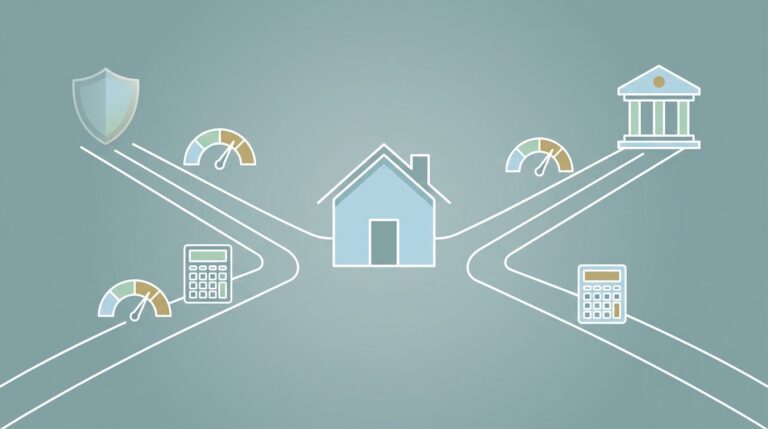
A minimalist illustration shows a stylized home buyer standing before a fork in a path. Signs labeled FHA and Conventional clearly mark each distinct direction against a muted, professional background.

This quick comparison shows where the two paths usually separate:

Topic FHA loan Conventional loan
Credit score Often 580+ for 3.5% down, sometimes 500 to 579 with 10% down Often 620+
Minimum down payment 3.5% with a 580+ score 3% for some qualified buyers
Mortgage insurance Upfront MIP and annual MIP PMI if down payment is under 20%
Debt-to-income flexibility Usually more forgiving Often tighter
Property rules Stricter on home condition More flexible on minor issues
Long-term cost Can stay higher because MIP often lasts longer Often lower later if PMI drops off

The short version is simple. FHA often helps buyers get approved sooner, while conventional often wins on cost if your credit and savings are in better shape.

If you want another outside comparison, The Mortgage Reports’ 2026 FHA and conventional loan guide is a helpful side-by-side resource.

Qualifying as a first-time buyer in 2026

For beginners, qualification rules usually drive the whole FHA vs conventional loan decision. If your credit is bruised, or your monthly debt is already heavy, FHA tends to be the easier door to open.

In many cases, FHA allows a 3.5% down payment with a 580 credit score. Some lenders also allow scores from 500 to 579 if you can put 10% down. Conventional loans usually start around 620, and lenders often want stronger overall credit to offer good pricing.

Debt matters too. If you carry student loans, a car payment, or credit card balances, FHA may still work when conventional says no. That’s because FHA often allows a higher debt-to-income ratio. So, a buyer with a fair score and more monthly debt may qualify there first.

Home condition can also shape the choice. FHA appraisals are stricter about safety and repair issues. Peeling paint, broken steps, missing handrails, or other problems can delay closing until the seller fixes them. Conventional loans can still require repairs, but they are usually more flexible on smaller issues.

Rates, loan limits, and lender rules can change over time, and they can differ from one lender to the next. One lender may accept your file, while another may want more reserves, lower debt, or a higher score. Because of that, check current numbers before you apply. For another plain-English overview, this first-time buyer guide for 2026 walks through the same tradeoffs.

FHA is often the easier approval path, but easier approval does not always mean lower total cost.

Upfront cash and monthly payment can tell different stories

Many buyers focus on the down payment first, and that makes sense. Still, cash to close is bigger than the down payment alone.

Take a $300,000 home. A 3% conventional down payment is $9,000. A 3.5% FHA down payment is $10,500. The gap is only $1,500, which is much smaller than many buyers expect.

However, you also need closing costs, prepaid homeowners insurance, prepaid property taxes, and other lender charges. That means a loan with the lower down payment does not always mean you need much less cash overall.

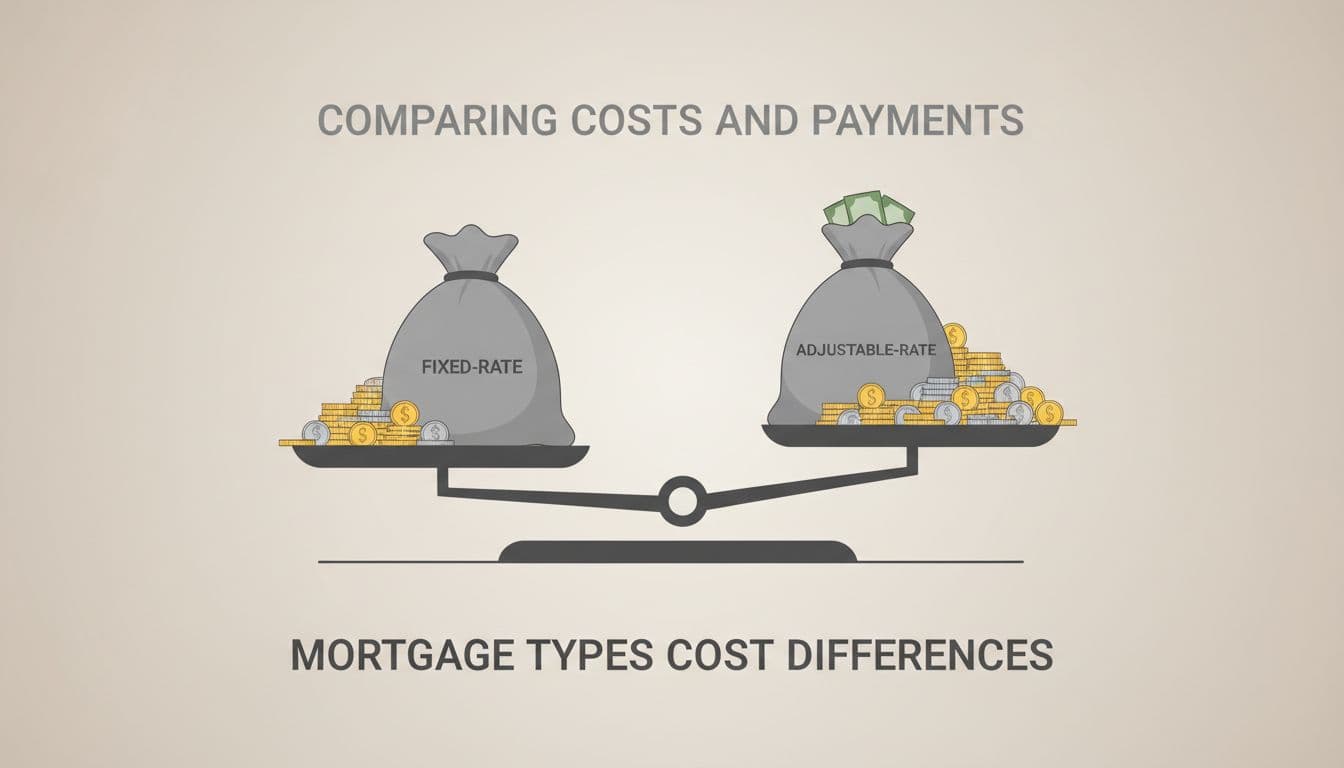
A pair of minimalist scales balances two canvas bags filled with gold coins. The left side is weighed down lower than the right, highlighting a distinct variance in financial totals.

Then comes the monthly payment, and this is where many first-time buyers get surprised. FHA loans usually include two mortgage insurance costs: an upfront mortgage insurance premium, often called upfront MIP, and annual MIP paid monthly. Conventional loans usually use private mortgage insurance, or PMI, only when you put down less than 20%.

That difference changes the math. A buyer with a 740 score and 5% down may get a conventional loan with relatively low PMI. Because that PMI can often be removed once the borrower reaches about 20% equity and meets lender rules, the payment may fall later. By contrast, on most low-down-payment FHA loans, monthly MIP often stays until you refinance or pay off the loan.

At the same time, FHA is not always the more expensive monthly option at the start. If your credit score is lower, conventional PMI can get expensive. In that case, FHA may produce a lower payment or a better approval. So, the better loan depends on your credit profile, not only the down payment.

When FHA may be better, and when conventional may be better

FHA often makes more sense if you’re trying to get into a home with decent income but weaker credit. Picture a buyer with a 605 score, a car payment, and student loans, plus enough savings for 3.5% down. Conventional approval may be hard, or the PMI may be pricey. FHA could make that purchase possible a year or two sooner.

Conventional often works better for buyers with stronger credit, even if they do not have 20% down. Say your score is 700, your debt is manageable, and you can put 3% to 5% down. In that case, you may qualify for a lower-cost conventional option, and later you may be able to remove PMI. If you expect to stay in the home for years, that long-term savings can matter a lot.

The home itself can also tilt the decision. If the property has small repair issues, conventional financing may be easier to close. In higher-cost areas, conventional conforming limits are often higher than FHA limits, which can give you more room on price.

A good way to decide is to compare two real Loan Estimates on the same day. Use the same purchase price, same down payment, and same rate-lock period. Then compare four things: cash to close, monthly payment, mortgage insurance, and the cost over the first five years. A broader mortgage types guide can also help if you’re still weighing where FHA and conventional fit.

The right loan depends on your starting point

The better loan is the one that fits your money, your credit, and your timeline. For many first-time buyers in 2026, FHA is the easier path in, while conventional is often the cheaper path over time.

Focus on the full picture, not one number. A lower down payment can still lead to a higher monthly bill, and an easier approval can still cost more later. Compare real lender quotes, check current rules, and choose the option that gives you the best overall fit.

FAQ

Is an FHA loan only for first-time buyers?

No. First-time buyers use FHA loans often, but repeat buyers can use them too if they meet the program rules.

Which loan is easier to qualify for in 2026?

FHA is usually easier to qualify for. It often allows lower credit scores and higher debt-to-income ratios than conventional financing.

Can mortgage insurance be removed later?

Conventional PMI often can be removed once you reach about 20% equity and meet lender requirements. FHA mortgage insurance usually stays much longer on low-down-payment loans, and many borrowers remove it only by refinancing.

Can I refinance from FHA to conventional later?

Yes, many buyers do that after their credit improves or their home gains value. Before you refinance, compare the new rate, closing costs, and how long it will take to recover those costs.


First-Time Home Buyer Checklist for 2026: Budget to Closing

First-time Home Buyer.

Buying your first home gets expensive before you ever get the keys. The down payment matters, but so do your credit habits, your paperwork, and the cash you still have left when the deal closes.

A good first-time home buyer checklist keeps the process from turning into a blur of tours, signatures, and surprise costs. Start with the money side first, because every later choice gets easier when your numbers are clear.

Start with the budget you can live with every month

The price on a listing is only the front door. Your real budget is the monthly cost you can carry without feeling squeezed.

Start with your take-home pay, not your gross salary. Then subtract fixed bills, savings goals, groceries, gas, child care, and the spending that doesn’t disappear after you buy. What remains is the range your housing payment needs to fit inside.

For many buyers, the most useful early step is working through a trusted planning tool such as the Consumer Financial Protection Bureau’s home buying resources. It helps you think beyond the sticker price.

Your monthly housing cost may include:

  • Principal and interest on the loan.
  • Property taxes and homeowners insurance.
  • HOA dues, if the home has them.
  • Private mortgage insurance, if your loan requires it.
  • Utilities, internet, and regular upkeep.

Next, check your credit reports and your credit score before a lender does. A higher score can improve your rate and lower your monthly payment. If your balances are high, paying down credit cards may help more than chasing a larger down payment right away.

Debt matters too. Lenders look at your debt-to-income ratio, which compares your monthly debt payments with your income. Car loans, student loans, personal loans, and minimum card payments all count.

Keep this part simple:

  • Set a target monthly payment that still leaves room for life.
  • Review your credit and fix errors early.
  • Avoid draining every savings account for the down payment.
  • Leave space for repairs, moving costs, and normal setbacks.

A home should feel stable, not fragile. If the payment only works in a perfect month, the budget is too tight.

Gather documents early and compare mortgage options

Lenders move faster when your paperwork is ready. You also make better choices when you can compare loans side by side instead of reacting under pressure.

A person carefully organizes stacked documents and a planner on a minimalist desk. The scene uses neutral tones and clean shapes to illustrate the preparation required for a first-time home purchase.

### Build a simple home-buying file

Create one folder, digital or paper, and keep every document in it. Most first-time buyers are asked for many of the same items.

Gather these before you apply:

  • A government ID and your Social Security number.
  • Recent pay stubs, often the last 30 days.
  • W-2s and tax returns from the last two years.
  • Bank statements, usually the last two or three months.
  • Statements for retirement or investment accounts, if they help show reserves.
  • Proof of rent payments, if a lender asks for housing history.
  • Records for student loans, car loans, or other monthly debts.
  • A gift letter, if family will help with your down payment.

If you’re self-employed, expect to provide more. Profit and loss statements, business returns, and extra bank records are common.

Compare more than the interest rate

A loan quote can look cheap until you read the fees. Compare lenders on the same day when possible, because rates move.

Look at:

  • The interest rate and the APR.
  • Points or lender credits.
  • Estimated closing costs.
  • Mortgage insurance rules.
  • Cash needed to close.
  • Rate-lock terms and how long they last.

Loan types matter too. Conventional, FHA, VA, and USDA loans each work differently. In addition, down payment help and grant programs vary by state, city, lender, and income level. If you want a quick starting point, review an overview of first-time buyer programs in 2026, then check your state housing finance agency and your lender for current details.

By the end of this step, aim for a real pre-approval, not a casual pre-qualification. That gives you a firmer price range and shows sellers you’re serious.

Search with a plan and tour homes with clear eyes

House hunting gets emotional fast. A smart search keeps you from chasing homes that were never a fit.

Before you book tours, write two short lists. One list is for must-haves. The other is for features you would like but can live without. Keep the must-have list short. Bedrooms, commute, school needs, parking, and neighborhood basics usually belong there. Fancy finishes usually don’t.

As you start looking, remember that 2026 may feel different from the frenzied markets many buyers watched a few years ago. Inventory, rates, and local competition still vary, but NAR’s look at the 2026 first-time buyer market suggests some buyers may see more breathing room than they did in 2025.

A person stands holding a digital tablet while observing a clean, modern suburban house. The architectural scene features soft daylight casting subtle shadows across the simplified shapes of the residential exterior.

During tours, use the same notes for every home. That keeps one fresh coat of paint from distracting you from a bad roof, weak layout, or noisy street.

Pay attention to:

  • The age and condition of major systems, such as the roof and HVAC.
  • Signs of water issues, cracks, odors, or uneven floors.
  • Natural light, storage, and how the rooms flow.
  • Street noise, traffic patterns, and parking.
  • The time and cost of your daily commute.

Take photos if allowed, and label them right away. After four or five homes, details blur together.

Also, check the neighborhood outside the showing window. Drive through at different times. Look at nearby stores, sidewalks, school routes, and how well homes are maintained. Buying the house is one decision. Buying the location is another.

Try to shop below your top pre-approved number. That gap gives you room for taxes, insurance changes, and repairs that don’t show up in a glossy listing.

Make an offer and know what happens after a seller says yes

An accepted offer feels like the finish line, but it’s closer to the middle. This stage has the most moving parts, and small delays are common.

Most buyers move through these steps after an offer is accepted:

  1. Deposit earnest money. This shows good faith and is usually applied to your closing funds later. The amount varies by market and contract.
  2. Schedule the inspection. A home inspection can reveal issues with structure, systems, safety, or maintenance. Based on the results, you may ask for repairs, credits, or a price change.
  3. Wait for the appraisal. Your lender orders this to confirm the home’s value for the loan. If the appraisal comes in low, you may need to renegotiate or bring in more cash.
  4. Send updated documents to underwriting. Underwriters may ask for more bank records, pay stubs, or explanations for deposits and credit activity.
  5. Review the closing disclosure. Federal rules generally require this at least three business days before closing. Compare it with your loan estimate and ask about any big changes.
  6. Do the final walkthrough. This is your last check that the home is in the agreed condition and that any included items are still there.

Keep your job, spending, bank transfers, and credit use steady after pre-approval. Lenders often review your file again before closing.

This is the stage where buyers get tripped up by impatience. Don’t open a new credit card for furniture. Don’t finance appliances before the loan funds. Don’t move large sums between accounts without a clear paper trail.

If inspection issues come up, stay calm. Few homes are perfect. Focus on defects that affect safety, habitability, major systems, or near-term costs. Cosmetic flaws matter less than an aging roof or a failing sewer line.

Good communication helps here. Reply to document requests fast, track deadlines, and read every form before you sign it.

Set aside cash for closing day and the first few months

Many first-time buyers save for the down payment and stop there. That leaves no cushion for the rest of the bill.

Your cash need usually includes more than one bucket. This quick guide helps with planning.

Cost area Common planning range What to know
Earnest money deposit Often 1% to 3% of price Usually goes toward closing funds later, but timing matters
Inspection and appraisal Often a few hundred to over $1,000 combined These are often paid before closing
Closing costs Often about 2% to 5% of the purchase price Taxes, lender fees, title costs, and prepaid items can add up
Moving and setup costs Varies widely Trucks, cleaners, locks, blinds, and utility deposits hit fast
Post-close reserve cash Aim for 2 to 3 months of full housing payments if possible Older homes or tight budgets may call for more

Those are planning ranges, not fixed rules. Your market, loan, home type, and lender can shift them.

A solid target is to reach closing with money left over, not with every account drained. If you can keep two to three months of full housing payments in cash, you give yourself room for a repair, a billing error, or a surprise move-in cost. For an older home, more is better.

Some buyers reduce upfront pressure with down payment or closing cost help. Those options can be worth a look, but they often come with income limits, location rules, approved loan types, or extra education steps. Since programs vary by state and lender, always confirm the current details before you build a plan around them.

A stylized individual sits at a minimalist table holding a pen over an open folder. The clean, professional aesthetic illustrates a calm atmosphere suitable for finalizing important legal or business contracts.

Closing day itself is usually less dramatic than people expect. You’ll review and sign a stack of documents, provide the required funds, and wait for the transaction to record. In many cases, you get the keys the same day. In others, possession happens later under the contract terms.

Common first-time buyer mistakes that cost money

Most first-time buyer problems don’t come from one huge error. They come from a series of small choices that chip away at your margin.

Watch for these common mistakes:

  • Shopping at the top of your approval range, then feeling stretched by taxes, insurance, or repairs.
  • Comparing homes by monthly mortgage payment alone, while ignoring HOA dues, commuting costs, and upkeep.
  • Choosing the first lender without comparing fees, mortgage insurance, and rate options.
  • Waiving an inspection without a strong reason and a backup plan for repairs.
  • Spending your reserve cash on the down payment to hit a higher price point.
  • Opening new credit accounts or financing furniture before closing.
  • Ignoring the neighborhood because the house itself looks great online.
  • Skimming disclosures and timelines instead of reading them closely.

A first home doesn’t need to be perfect. It needs to be affordable, functional, and sustainable for your life right now.

That mindset helps in competitive moments. If a deal only works when every cost stays low and every repair waits a year, the deal is shaky. Walking away can be the smarter move.

Final thoughts

A good first home purchase is rarely about finding the flashiest listing. It’s about matching the home to your budget, your paperwork, your timeline, and your reserve cash.

If you keep this checklist in order, the process feels less like a scramble and more like a series of manageable steps. When the keys finally land in your hand, you want excitement, not financial whiplash.

Home Insurance Quote

Best Home Insurance Quote. Protect your Humble Abode from all Sorts of Calamities .

Home insurance is a crucial safeguard for homeowners, providing financial protection against potential losses due to damage or theft. Obtaining a comprehensive home insurance quote is the first step in securing this essential coverage, allowing homeowners to understand their options and select the best policy for their needs. With various factors influencing premiums and coverage types available, navigating the world of home insurance quotes can be overwhelming. This article will guide you through the process, helping you understand key components, compare different offers, and make informed decisions to protect your most valuable asset.

Understanding Home Insurance Quotes

What is a Home Insurance Quote?

home insurance quote

A home insurance quote is basically an estimate of how much you’ll pay to protect your humble abode from all sorts of calamities—think fire, theft, or that tree branch that’s been eyeing your roof. Insurers calculate this estimate based on various factors, giving you an idea of what it will cost to shield your home sweet home.

Importance of Getting Multiple Quotes

Ever heard the saying, “Don’t put all your eggs in one basket”? Well, that applies to insurance too! Shopping around for multiple quotes helps ensure you’re not just getting the best deal, but also finding the coverage that suits your needs. Different insurers may hold different opinions on risk, which means prices can vary. More quotes equal more choices—and who doesn’t love choices?

Factors Influencing Home Insurance Premiums

Location and Risk Assessment

Where you live can dramatically affect your insurance rates. Coastal living may bring sun and surf, but it can also mean a higher risk of hurricanes (hello, flood insurance!). Insurers evaluate the risks associated with your area—crime rates, weather patterns, and even the proximity to fire departments—to determine your premium.

Type of Coverage and Deductibles

The coverage you select plays a starring role in determining your premium price. Opt for a comprehensive plan, and your costs will likely rise accordingly. Deductibles also come into play; the higher your deductible (the amount you pay before coverage kicks in), the lower your premium. It’s like a balancing act between risk tolerance and wallet weight!

Home Features and Safety Measures

Your home’s features can either send your premium soaring or keep it grounded. Think security systems, smoke detectors, and that fortified door you installed after watching one too many crime shows. Homes equipped with safety features often receive discounts from insurers, as these additions reduce the risk of claims.

Types of Coverage Offered in Home Insurance

Dwelling Coverage

This is the bread and butter of your home insurance policy! Dwelling coverage protects the structure of your home from various perils, covering things like fire, wind, and vandalism. If your house suddenly decides to throw a tantrum—like when a tree falls on it—this is the coverage that swoops in to save the day.

Personal Property Coverage

Got expensive gadgets, retro vinyl records, or a collection of unique coffee mugs? Personal property coverage has your back. This part of your policy covers loss or damage to your belongings from risks like theft or disasters. Just remember, some items may have limits, so check the fine print before you lose that vintage guitar!

Liability Coverage

Accidents happen, and liability coverage is here to help if someone gets hurt on your property—like that awkward moment when your friend trips over your cat. This coverage protects you from legal claims and can cover medical expenses for the injured party. Think of it as your safety net in the messy world of life’s little accidents.

Additional Living Expenses (ALE)

If you find yourself temporarily homeless due to a covered loss (thanks a lot, fire), ALE kicks in. This coverage helps pay for additional living expenses, such as hotel bills or that overpriced takeout, while your home is being repaired. Because let’s be real, the universe has a knack for throwing curveballs, and nobody wants to live in limbo.

How to Obtain a Home Insurance Quote

Information Required for a Quote

Gathering your information before requesting a quote can feel a bit like preparing for a pop quiz. Insurers typically ask about your home’s age, square footage, location, safety features, and even your claims history. Having this info ready ensures you get a more accurate estimate—and who doesn’t want to avoid that awkward “oops, we need more details” email?

Online vs. Agent-Based Quotes

You have options! You can either hop online and fill out forms on various insurance websites or meet with a friendly insurance agent (yes, they exist). Online quotes are speedy, while agents provide personalized service and insights. Choose your own adventure, but remember: one is like a drive-thru, while the other is a sit-down dinner.

What to Expect During the Quoting Process

Once you’ve submitted your info, expect some back and forth. The insurer may reach out for clarification or additional details—think of it as a little insurance chit-chat. After you’ve made it through this process, you’ll receive your quotes, complete with coverage options and price tags. Congratulations, you’re one step closer to protecting your castle!

Comparing Home Insurance Quotes from Different Providers

Understanding Policy Terms and Conditions

When diving into the world of home insurance quotes, don’t just skim the surface; take a magnifying glass to those policy terms and conditions! Each insurer has its own lingo that can feel like deciphering an ancient manuscript. Understand the basics like coverage types, deductibles, and how claims are processed. This isn’t just legal mumbo jumbo—know what you’re signing up for to avoid nasty surprises when you need to file a claim.

Assessing Coverage Limits and Exclusions

Picture this: you’ve got a beautiful home and a policy that seems stellar on the surface. But wait—what’s that lurking in the exclusions? Knowing the coverage limits and what’s not covered is like reading the warning label on a bottle of mystery potion. Ensure your valuables and unique circumstances are addressed in your policy. Remember, the devil is in the details, and the last thing you want is to discover your prized collection of rare spoons isn’t covered after a mishap.

The Importance of Customer Reviews and Ratings

A little online sleuthing can go a long way. Customer reviews and ratings are modern-day treasure maps leading you to the best home insurance providers. Look for patterns in feedback regarding claims satisfaction, communication, and customer service. After all, a company can boast about great policies and low rates, but if their customer service is as helpful as a chocolate teapot when you need to file a claim, it might be time to look elsewhere.

Tips for Lowering Your Home Insurance Costs

Bundling Policies for Discounts

Why pay full price for home insurance when you can score a sweet deal by bundling? Many insurers offer discounts for combining your home insurance with other policies, like auto or life insurance. Think of it as a two-for-one sale, only instead of getting a pair of shoes you didn’t need, you’re saving money on your essential coverage. Cha-ching!

Improving Home Security Features

Investing in your home’s security can lead to lower insurance premiums. Think of it as a “don’t mess with me” sign for burglars. Installing a security system, deadbolts, or even fire alarms can make you look like a low-risk homeowner in the eyes of insurers. And hey, who doesn’t like feeling like a superhero in their own fortress?

Reviewing and Adjusting Coverage Regularly

Your life isn’t static, and neither should your home insurance be. Regularly reviewing your coverage ensures that you’re not overpaying for things you don’t need—or under-insured for what matters. A good rule of thumb is to review your policy annually or after major life events like a renovation, addition, or even that new puppy. Yes, Fido might need some extra coverage!

Common Mistakes to Avoid When Getting Home Insurance Quotes

Overlooking Policy Fine Print

Ah, the fine print—the sneaky little clauses that can bite you when you least expect it. Skimming the fine print might save you time, but it could cost you big bucks later. Take a moment to read those sneaky details regarding coverages, deductibles, and exclusions. Your future self will thank you.

Focusing Solely on Price

While saving money is important, fixating on the price alone can lead to disaster. Choosing the cheapest option may leave you with a policy that offers subpar coverage or dreadful customer support. Instead of a wallet-friendly quote, aim for a well-balanced policy that offers decent protection at a fair price. Think of it as finding the happy medium between a gourmet meal and instant ramen.

Neglecting to Update Information

Life happens, and so should your insurance policy. Forgetting to update your information after renovations or major purchases can lead to inadequate coverage. Always keep insurers in the loop—after all, they can’t protect what they don’t know about! An accurate policy is an effective policy, so don’t leave your future up to chance.

The Role of Home Insurance in Financial Planning

Protecting Your Investment

Your home is likely your biggest investment, so protecting it with the right insurance is crucial. Home insurance acts as a financial safety net, ensuring that you don’t get swept away by unexpected damages or losses. Think of it as your trusty umbrella in a storm—you’ll be glad you have it when the rain starts pouring!

Understanding the Claim Process

Navigating the claim process can feel like wandering through a labyrinth. Understanding how to file a claim and what’s required ahead of time will save you headaches when the inevitable happens. Familiarize yourself with the steps, documentation, and timelines involved, so you’re not left scrambling when you need help the most.

Integrating Home Insurance into Overall Financial Strategy

Home insurance should be a key component of your broader financial strategy, not an afterthought. Assess how it fits into your overall financial health—protecting your assets, saving for the future, and budgeting for premiums. Regularly revising your strategy ensures that you’re not just surviving, but thriving in this home insurance game!In conclusion, obtaining a home insurance quote is an essential step in securing the protection you need for your home and belongings. By understanding the various factors that influence premiums, comparing different coverage options, and avoiding common pitfalls, you can make informed choices that suit your financial situation and lifestyle. As you move forward, remember to regularly review your policy and stay updated on your coverage needs to ensure your home remains adequately protected.

FAQ

What factors can affect my home insurance quote?

Many factors can influence your home insurance quote, including the location of your home, the age and condition of the property, the value of your personal belongings, and the types of coverage you choose. Additionally, safety features such as security systems and smoke detectors may also impact your premium.

How often should I obtain a new home insurance quote?

It is advisable to obtain a new home insurance quote at least once a year or whenever you make significant changes to your property, such as renovations, acquisitions of valuable items, or updates to security features. Regularly reviewing your policy can help ensure that you have adequate coverage and potentially lower your premiums.

Is it better to get quotes online or through an agent?

Both options have their benefits. Online quotes can be quicker and allow you to easily compare multiple providers. However, working with an agent can provide personalized guidance and expertise, helping you navigate complex policy details that may not be easily understood through online platforms.

What should I do if I find a lower quote from another insurer?

If you find a lower quote from another insurer, it’s a good idea to contact your current provider to discuss the quote. They may be able to match or offer you a better deal, or at the very least, you can assess whether switching providers is the best option for your coverage needs.

Mortgage Refinancing

A Guide to Mortgage Refinancing .

Are you considering mortgage refinancing but don’t know where to start? Look no further! In this comprehensive guide, we will walk you through everything you need to know about mortgage refinancing. Whether you are looking to lower your monthly payments, shorten your loan term, or tap into your home equity, refinancing your mortgage can be a smart financial move. Let’s dive in!

What is Mortgage Refinancing?

Mortgage Refinancing


Mortgage refinancing is the process of replacing your current mortgage with a new one. This new mortgage typically has better terms, such as a lower interest rate, which can save you money in the long run. There are several reasons why homeowners choose to refinance their mortgage, including:

  • Lowering their monthly payments
  • Shortening the loan term
  • Accessing home equity for major expenses

How Does Mortgage Refinancing Work?

When you refinance your mortgage, you will apply for a new loan to pay off your existing mortgage. The new loan will have different terms, such as a lower interest rate or a different repayment period. It’s important to note that refinancing comes with closing costs, so make sure to factor those into your decision.

Is Mortgage Refinancing Right for You?

Whether mortgage refinancing is the right move for you depends on your individual financial situation. Consider the following factors before making a decision:

  • Your current interest rate
  • Your remaining loan term
  • Your home equity
  • Your credit score

Benefits of Mortgage Refinancing

There are several benefits to refinancing your mortgage, including:

  1. Lower Monthly Payments: By securing a lower interest rate, you can significantly reduce your monthly mortgage payments.
  2. Shorter Loan Term: Refinancing to a shorter loan term can help you pay off your mortgage faster and save on interest in the long run.
  3. Access to Home Equity: If you have built up equity in your home, you can access it through a cash-out refinance to fund major expenses such as home renovations or tuition.

How to Refinance Your Mortgage

Ready to refinance your mortgage? Follow these steps:

  1. Shop Around: Compare offers from multiple lenders to ensure you’re getting the best deal.
  2. Gather Documents: Be prepared to provide documentation such as pay stubs, tax returns, and bank statements.
  3. Apply for the Loan: Submit your application and work with the lender to finalize the details of your refinanced mortgage.
  4. Close the Loan: Once your loan is approved, you will go through the closing process, which involves signing paperwork and paying closing costs.

Conclusion

In conclusion, mortgage refinancing can be a valuable tool to help you achieve your financial goals. Whether you want to lower your monthly payments, shorten your loan term, or access your home equity, refinancing your mortgage can save you money in the long run. By following the steps outlined in this guide, you can make an informed decision about whether mortgage refinancing is right for you.
Don’t wait any longer – take control of your finances and explore the possibilities of mortgage refinancing today!

So, are you ready to take the first step towards a brighter financial future with mortgage refinancing?

Secure Funding

Secure Funding for Your Real Estate Venture .

Are you looking to secure funding for your real estate project but unsure where to start? In this article, we will provide you with expert tips and strategies on how to successfully secure funding for your real estate venture. Whether you are a first-time investor or a seasoned professional, these tips will help you navigate the complex world of real estate financing with confidence. So, let’s dive in and explore the best ways to secure funding for your real estate venture.

Understanding Your Financing Options

Secure Funding

When it comes to securing funding for your real estate project, there are several options to consider. From traditional bank loans to private investors, each option comes with its pros and cons. It’s essential to understand the different financing options available to you so you can choose the one that best fits your needs. Consider factors such as interest rates, repayment terms, and flexibility when evaluating your financing options.

Building a Strong Financial Profile

Before approaching lenders or investors, it’s crucial to have a strong financial profile. This includes having a good credit score, a solid business plan, and a detailed analysis of your real estate project. Lenders and investors will want to see that you have a clear plan for how you will use the funds and how you will generate a return on their investment. By building a strong financial profile, you increase your chances of securing the funding you need for your real estate venture.

Networking with Potential Investors

One of the most effective ways to secure funding for your real estate project is by networking with potential investors. Attend real estate conferences, join investment groups, and connect with other professionals in the industry. Building relationships with potential investors can lead to lucrative funding opportunities for your real estate venture. Remember, networking is not just about asking for money but also about building trust and credibility with potential investors.

Utilizing Crowdfunding Platforms

In recent years, crowdfunding has become a popular way to secure funding for real estate projects. Platforms like Fundrise and RealtyMogul allow investors to pool their resources and invest in a diverse range of real estate opportunities. By utilizing crowdfunding platforms, you can access funding from a large pool of investors who are interested in real estate investment. However, it’s essential to conduct thorough research and due diligence when considering crowdfunding as a funding option.

Working with a Real Estate Financing Expert

If navigating the world of real estate financing seems overwhelming, consider working with a real estate financing expert. These professionals have the knowledge and experience to help you secure the funding you need for your real estate venture. From structuring loan agreements to negotiating terms with investors, a real estate financing expert can guide you through the funding process and help you make informed decisions about your investment.

Securing funding for your real estate venture requires careful planning, research, and networking. By understanding your financing options, building a strong financial profile, networking with potential investors, utilizing crowdfunding platforms, and working with a real estate financing expert, you can increase your chances of securing the funding you need for your real estate project. Remember, the key to successful real estate financing is preparation, diligence, and perseverance. Good luck on your real estate investment journey!

Mesothelioma Cancer: Symptoms, Causes, and Treatment Options

Everything you Need to Know About Mesothelioma Cancer.

Mesothelioma cancer is a rare but serious disease, and many cases are linked to asbestos exposure. Because it often takes years to appear, people can miss the early warning signs until the cancer has already advanced.

If you or someone close to you has had asbestos exposure, knowing the symptoms early can make a real difference. It can help you ask better questions, get checked sooner, and understand what steps to take next.

What mesothelioma cancer is and how it develops

Mesothelioma is a rare cancer that starts in the thin lining around some internal organs. That lining is called the mesothelium, and it helps protect organs as they move and work. When those cells change and grow out of control, mesothelioma can form.

This cancer behaves differently from many others because it begins in a membrane, not in the organ itself. That detail matters, since it helps explain where symptoms show up and why asbestos exposure is linked so often to the disease.

A flat-style medical cross-section reveals the human torso with soft-colored lines highlighting the protective lining around the lungs and abdomen. Clean, minimalist shapes clearly define the internal organ structure.

The main types of mesothelioma

Mesothelioma can start in different parts of the body, depending on which lining is affected. The most common type is pleural mesothelioma, which begins in the lining around the lungs. Because it affects the chest, it often causes breathing-related symptoms first.

Other types are less common, but they follow the same basic pattern. Peritoneal mesothelioma starts in the lining of the abdomen, pericardial mesothelioma starts in the lining around the heart, and testicular mesothelioma starts in the lining near the testicles.

Each type is serious, but the starting location changes the early signs and the tests doctors may use. That is why the exact type matters so much.

  • Pleural mesothelioma: begins in the lining of the lungs
  • Peritoneal mesothelioma: begins in the lining of the abdomen
  • Pericardial mesothelioma: begins in the lining around the heart
  • Testicular mesothelioma: begins in the lining near the testicles

Why asbestos exposure is the biggest risk factor

Asbestos is the main known cause of mesothelioma. Tiny asbestos fibers can be breathed in or swallowed, and once they enter the body, they can stay there for years. Over time, those fibers can irritate the mesothelium and damage cells.

The danger is not just exposure, but how long the disease can take to appear. Mesothelioma often develops decades after asbestos contact, so someone may feel fine for many years before symptoms begin. According to the CDC’s mesothelioma basics, asbestos exposure causes most cases.

Mesothelioma can take a long time to show up, so past asbestos exposure still matters even after many years.

That delay is one reason the disease is often found late. The body may carry the damage quietly for a long time before any warning signs appear.

Symptoms that people should not ignore

Mesothelioma symptoms often start off small and easy to miss. A cough, mild shortness of breath, or a little belly pain can look like a common virus or a pulled muscle at first.

That is part of the problem. These warning signs can stay vague for a while, then grow more obvious as the disease progresses.

A person sits in a professional clinical chair, resting one hand on their chest and another on their abdomen. The muted color palette emphasizes their visible fatigue and quiet physical discomfort.

Early signs that can look like other health problems

The first symptoms often depend on where the cancer starts. In pleural mesothelioma, which affects the lining around the lungs, shortness of breath, chest pain, and a persistent cough are common. In peritoneal mesothelioma, people may notice belly pain, swelling, fatigue, or unexplained weight loss.

These symptoms are easy to blame on something less serious. A cough may seem like allergies. Belly swelling may seem like bloating. Fatigue can feel like stress or poor sleep.

That is why these symptoms matter most when they keep hanging around or do not match a normal illness pattern. The Mayo Clinic’s mesothelioma overview lists chest pain, trouble breathing, and fluid buildup among the common warning signs.

Symptoms that seem mild at first can still deserve attention, especially if they do not improve.

When symptoms should lead to a doctor visit

A doctor visit is a smart next step if symptoms last more than a couple of weeks, get worse, or keep coming back. That is especially true for anyone with a known history of asbestos exposure, even if the exposure happened years ago.

It’s also important to get checked sooner if you notice more than one symptom at the same time. For example, shortness of breath along with chest pain, or belly swelling with weight loss, should not be brushed off.

A timely exam can help rule out common causes and point to the right tests if something more serious is going on. If you have a history of asbestos contact, mention it clearly and ask for a full evaluation.

How doctors diagnose mesothelioma cancer

Doctors usually diagnose mesothelioma in steps. They start with your symptoms, medical history, and any asbestos exposure, then move to imaging tests and tissue samples. Because this cancer can look like other lung or abdominal problems, more than one test is usually needed.

A physician in a clinical setting examines a digital monitor showcasing stylized chest X-ray and CT scan imagery. The minimalist composition utilizes a palette of soft blues and professional grey tones.

Imaging tests, biopsies, and lab work

The first clues often come from imaging. A chest X-ray may show fluid buildup, thickened tissue, or changes around the lungs. A CT scan gives a more detailed picture and can reveal tumors, swollen tissue, or spots in the chest or abdomen that need a closer look. In some cases, doctors also order a PET scan to check whether suspicious areas are active and whether the cancer may have spread.

These scans help doctors map the problem, but they do not confirm mesothelioma on their own. That job usually falls to a biopsy, which removes a small sample of tissue for study under a microscope. As the Mayo Clinic explains in its mesothelioma diagnosis guide, tissue testing is a key part of diagnosis.

Common biopsy methods include:

  • Needle biopsy: uses a thin needle to collect tissue or fluid
  • Endoscopic biopsy: uses a camera tube to reach the area
  • Surgical biopsy: removes a larger sample when doctors need more tissue

Pathologists then study the sample and may use lab tests to check cell markers. This helps confirm whether the cancer is mesothelioma and what type it is. Blood work can support the workup, but it usually cannot confirm the disease by itself.

Why an early and accurate diagnosis matters

A correct diagnosis shapes every next step. It can affect whether you get surgery, chemotherapy, radiation, or symptom-focused care. It also helps your medical team plan for pain control, breathing support, and other day-to-day problems that can come with the disease.

Early diagnosis matters because mesothelioma is easier to treat before it spreads. Even when a cure is not possible, finding it sooner can open more treatment options and improve comfort. That can mean less fluid buildup, better breathing, and a clearer plan for what comes next.

Mesothelioma is hard to spot because it often looks like something else. A lingering cough, chest pain, belly swelling, or shortness of breath may point to pneumonia, heart trouble, or another cancer. That is why doctors take a careful, step-by-step approach and keep testing until they have a clear answer.

When the diagnosis is accurate, you and your doctors can act with a plan instead of guesswork. That brings more control to a difficult situation and helps you focus on the treatment path that fits your case.


First Time Home Buyer Checklist

First-Time Home Buyer Checklist 2026: Expert Tips from Budget to Closing.

Buying your first home gets expensive before you ever get the keys. The down payment matters, but so do your credit habits, your paperwork, and the cash you still have left when the deal closes.

A good first-time home buyer checklist keeps the process from turning into a blur of tours, signatures, and surprise costs. Start with the money side first, because every later choice gets easier when your numbers are clear.

Start with the budget you can live with every month

The price on a listing is only the front door. Your real budget is the monthly cost you can carry without feeling squeezed.

Start with your take-home pay, not your gross salary. Then subtract fixed bills, savings goals, groceries, gas, child care, and the spending that doesn’t disappear after you buy. What remains is the range your housing payment needs to fit inside.

For many buyers, the most useful early step is working through a trusted planning tool such as the Consumer Financial Protection Bureau’s home buying resources. It helps you think beyond the sticker price.

Your monthly housing cost may include:

  • Principal and interest on the loan.
  • Property taxes and homeowners insurance.
  • HOA dues, if the home has them.
  • Private mortgage insurance, if your loan requires it.
  • Utilities, internet, and regular upkeep.

Next, check your credit reports and your credit score before a lender does. A higher score can improve your rate and lower your monthly payment. If your balances are high, paying down credit cards may help more than chasing a larger down payment right away.

Debt matters too. Lenders look at your debt-to-income ratio, which compares your monthly debt payments with your income. Car loans, student loans, personal loans, and minimum card payments all count.

Keep this part simple:

  • Set a target monthly payment that still leaves room for life.
  • Review your credit and fix errors early.
  • Avoid draining every savings account for the down payment.
  • Leave space for repairs, moving costs, and normal setbacks.

A home should feel stable, not fragile. If the payment only works in a perfect month, the budget is too tight.

Gather documents early and compare mortgage options

Lenders move faster when your paperwork is ready. You also make better choices when you can compare loans side by side instead of reacting under pressure.

A person carefully organizes stacked documents and a planner on a minimalist desk. The scene uses neutral tones and clean shapes to illustrate the preparation required for a first-time home purchase.

Build a simple home-buying file

Create one folder, digital or paper, and keep every document in it. Most first-time buyers are asked for many of the same items.

Gather these before you apply:

  • A government ID and your Social Security number.
  • Recent pay stubs, often the last 30 days.
  • W-2s and tax returns from the last two years.
  • Bank statements, usually the last two or three months.
  • Statements for retirement or investment accounts, if they help show reserves.
  • Proof of rent payments, if a lender asks for housing history.
  • Records for student loans, car loans, or other monthly debts.
  • A gift letter, if family will help with your down payment.

If you’re self-employed, expect to provide more. Profit and loss statements, business returns, and extra bank records are common.

Compare more than the interest rate

A loan quote can look cheap until you read the fees. Compare lenders on the same day when possible, because rates move.

Look at:

  • The interest rate and the APR.
  • Points or lender credits.
  • Estimated closing costs.
  • Mortgage insurance rules.
  • Cash needed to close.
  • Rate-lock terms and how long they last.

Loan types matter too. Conventional, FHA, VA, and USDA loans each work differently. In addition, down payment help and grant programs vary by state, city, lender, and income level. If you want a quick starting point, review an overview of first-time buyer programs in 2026, then check your state housing finance agency and your lender for current details.

By the end of this step, aim for a real pre-approval, not a casual pre-qualification. That gives you a firmer price range and shows sellers you’re serious.

Search with a plan and tour homes with clear eyes

House hunting gets emotional fast. A smart search keeps you from chasing homes that were never a fit.

Before you book tours as a home buyer, write two short lists. One list is for must-haves. The other is for features you would like but can live without. Keep the must-have list short. Bedrooms, commute, school needs, parking, and neighborhood basics usually belong there. Fancy finishes usually don’t.

As you start looking, remember that 2026 may feel different from the frenzied markets many buyers watched a few years ago. Inventory, rates, and local competition still vary, but NAR’s look at the 2026 first-time buyer market suggests some buyers may see more breathing room than they did in 2025.

A person stands holding a digital tablet while observing a clean, modern suburban house. The architectural scene features soft daylight casting subtle shadows across the simplified shapes of the residential exterior.

During tours, use the same notes for every home. That keeps one fresh coat of paint from distracting you from a bad roof, weak layout, or noisy street.

Pay attention to:

  • The age and condition of major systems, such as the roof and HVAC.
  • Signs of water issues, cracks, odors, or uneven floors.
  • Natural light, storage, and how the rooms flow.
  • Street noise, traffic patterns, and parking.
  • The time and cost of your daily commute.

Take photos if allowed, and label them right away. After four or five homes, details blur together.

Also, check the neighborhood outside the showing window. Drive through at different times. Look at nearby stores, sidewalks, school routes, and how well homes are maintained. Buying the house is one decision. Buying the location is another.

Try to shop below your top pre-approved number. That gap gives you room for taxes, insurance changes, and repairs that don’t show up in a glossy listing.

Make an offer and know what happens after a seller says yes

An accepted offer feels like the finish line, but it’s closer to the middle. This stage has the most moving parts, and small delays are common.

Most buyers move through these steps after an offer is accepted:

  1. Deposit earnest money. This shows good faith and is usually applied to your closing funds later. The amount varies by market and contract.
  2. Schedule the inspection. A home inspection can reveal issues with structure, systems, safety, or maintenance. Based on the results, you may ask for repairs, credits, or a price change.
  3. Wait for the appraisal. Your lender orders this to confirm the home’s value for the loan. If the appraisal comes in low, you may need to renegotiate or bring in more cash.
  4. Send updated documents to underwriting. Underwriters may ask for more bank records, pay stubs, or explanations for deposits and credit activity.
  5. Review the closing disclosure. Federal rules generally require this at least three business days before closing. Compare it with your loan estimate and ask about any big changes.
  6. Do the final walkthrough. This is your last check that the home is in the agreed condition and that any included items are still there.

Keep your job, spending, bank transfers, and credit use steady after pre-approval. Lenders often review your file again before closing.

This is the stage where buyers get tripped up by impatience. Don’t open a new credit card for furniture. Don’t finance appliances before the loan funds. Don’t move large sums between accounts without a clear paper trail.

If inspection issues come up, stay calm. Few homes are perfect. Focus on defects that affect safety, habitability, major systems, or near-term costs. Cosmetic flaws matter less than an aging roof or a failing sewer line.

Good communication helps here. Reply to document requests fast, track deadlines, and read every form before you sign it.

Set aside cash for closing day and the first few months

Many first-time home.buyer save for the down payment and stop there. That leaves no cushion for the rest of the bill.

Your cash need usually includes more than one bucket. This quick guide helps with planning.

Cost area Common planning range What to know
Earnest money deposit Often 1% to 3% of price Usually goes toward closing funds later, but timing matters
Inspection and appraisal Often a few hundred to over $1,000 combined These are often paid before closing
Closing costs Often about 2% to 5% of the purchase price Taxes, lender fees, title costs, and prepaid items can add up
Moving and setup costs Varies widely Trucks, cleaners, locks, blinds, and utility deposits hit fast
Post-close reserve cash Aim for 2 to 3 months of full housing payments if possible Older homes or tight budgets may call for more

Those are planning ranges, not fixed rules. Your market, loan, home type, and lender can shift them.

A solid target is to reach closing with money left over, not with every account drained. If you can keep two to three months of full housing payments in cash, you give yourself room for a repair, a billing error, or a surprise move-in cost. For an older home, more is better.

Some buyers reduce upfront pressure with down payment or closing cost help. Those options can be worth a look, but they often come with income limits, location rules, approved loan types, or extra education steps. Since programs vary by state and lender, always confirm the current details before you build a plan around them.

A stylized individual sits at a minimalist table holding a pen over an open folder. The clean, professional aesthetic illustrates a calm atmosphere suitable for finalizing important legal or business contracts.

Closing day itself is usually less dramatic than people expect. You’ll review and sign a stack of documents, provide the required funds, and wait for the transaction to record. In many cases, you get the keys the same day. In others, possession happens later under the contract terms.

Common first-time buyer mistakes that cost money

Most first-time home buyer problems don’t come from one huge error. They come from a series of small choices that chip away at your margin.

Watch for these common mistakes:

  • Shopping at the top of your approval range, then feeling stretched by taxes, insurance, or repairs.
  • Comparing homes by monthly mortgage payment alone, while ignoring HOA dues, commuting costs, and upkeep.
  • Choosing the first lender without comparing fees, mortgage insurance, and rate options.
  • Waiving an inspection without a strong reason and a backup plan for repairs.
  • Spending your reserve cash on the down payment to hit a higher price point.
  • Opening new credit accounts or financing furniture before closing.
  • Ignoring the neighborhood because the house itself looks great online.
  • Skimming disclosures and timelines instead of reading them closely.

A first home doesn’t need to be perfect. It needs to be affordable, functional, and sustainable for your life right now.

That mindset helps in competitive moments. If a deal only works when every cost stays low and every repair waits a year, the deal is shaky. Walking away can be the smarter move.

Final thoughts

A good first home purchase is rarely about finding the flashiest listing. It’s about matching the home to your budget, your paperwork, your timeline, and your reserve cash.

If you keep this checklist in order, the process feels less like a scramble and more like a series of manageable steps. When the keys finally land in your hand, you want excitement, not financial whiplash.

Sell Your Home Fast For Cash in The USA

Learn How to Sell Your Home Fast for Cash in the USA.

If you find yourself in a situation where you need to sell your home quickly and are looking for a hassle-free solution, sell your home for cash might be the perfect option for you. In the USA, there are many reputable companies that specialize in buying houses for cash, offering a fast and convenient way to sell your home without the stress and uncertainty that often comes with traditional real estate transactions.

Why Sell Your Home Fast for Cash?

Sell your home fast for cash

Selling your home for cash offers a variety of benefits that can make the process much simpler and more efficient. Here are some reasons why you might want to consider to sell your home fast  for cash:

  1. Speed: One of the biggest advantages of selling your home for cash is the speed of the transaction. Cash buyers are often able to close on a sale much faster than traditional buyers, sometimes in as little as a few days.
  2. Convenience: When you sell your home for cash, you don’t have to worry about staging your home for showings, making repairs, or dealing with the uncertainty of a traditional sale. Cash buyers will purchase your home as-is, saving you time and money.
  3. Certainty: Cash sales are much less likely to fall through than traditional sales, where buyers may struggle to secure financing or change their minds at the last minute. With a cash sale, you can have confidence that the deal will close quickly and smoothly.

How to Sell Your Home for Cash

If you’re interested to sell your home fast for cash in the USA, the process is simple and straightforward. Here are the basic steps you’ll need to take:

  1. Research Cash Buyers: Start by researching reputable cash buyers in your area. Look for companies with a proven track record of successful transactions and satisfied customers.
  2. Request an Offer: Once you’ve found a cash buyer you’re comfortable with, contact them to request an offer on your home. They will typically evaluate your property and make you a cash offer within a few days.
  3. Accept the Offer: If you’re happy with the offer, you can accept it and begin the closing process. Cash sales typically close much faster than traditional sales, so you could have cash in hand in a matter of days.

Tips for a Successful Cash Sale

To ensure a smooth and successful cash sale, here are a few tips to keep in mind:

  1. Be Realistic: Cash buyers typically purchase homes below market value in exchange for the convenience and speed of the transaction. Be realistic about the offer you receive and consider the benefits of a quick sale.
  2. Have Proper Documentation: Make sure you have all the necessary documentation in order to expedite the closing process. This includes your title deed, survey, and any relevant inspection reports.
  3. Stay Informed: Throughout the process, stay informed and ask questions if you’re unsure about anything. A reputable cash buyer will be transparent and communicative every step of the way.

Conclusion

To selll your home fast for cash in the USA can be a quick and stress-free way to liquidate your property and move on to the next chapter of your life. By working with a reputable cash buyer and following these tips, you can sell your home fast and with confidence. Don’t hesitate to explore this option if you’re in need of a quick and easy home sale.

Mortgage Lender: How to Find The Perfect Lender

Find the Perfect Mortgage Lender.

Finding the right mortgage lender is a crucial step in the homebuying process that can significantly impact your financial future. With a multitude of options available, from traditional banks to online lenders, navigating the mortgage landscape can be daunting. This guide aims to simplify the process by providing essential insights into the different types of lenders, how to assess your financial profile, and the key questions to ask to ensure you choose the right partner for your mortgage journey. Whether you’re a first-time homebuyer or looking to refinance, understanding how to find the perfect mortgage lender will empower you to make informed decisions and secure the best possible terms for your loan.

Understanding Mortgage Lenders: Types and Roles

Types of Mortgage Lenders

mortgage lender

When it comes to mortgage lenders, variety is the spice of life—or at least, the spice of homebuying. You’ve got your banks (the classic, trustworthy choice), credit unions (the friendly neighborhood lenders), and mortgage brokers (the matchmakers connecting you to various options). Then there are online lenders, which offer convenience with a side of clicks, and direct lenders, who are like the solo artists of the mortgage world. Each type has its own perks, so it’s worth exploring which one fits your vibe.

Role of a Mortgage Lender in the Homebuying Process

Think of your mortgage lender as your trusty sidekick in this quest for homeownership. They’re not just a bank; they evaluate your finances, determine how much you can borrow, and guide you through the mortgage application maze—complete with paperwork obstacles and interest rate dragons. They also ensure that you understand your loan details and assist with securing the funds needed to make your dream home a reality. Basically, they’re the Robin to your Batman in the world of real estate.

Assessing Your Financial Profile

Understanding Your Credit Score

Your credit score is like your financial selfie—the higher it is, the better you look to lenders. Typically ranging from 300 to 850, a good credit score can open doors to lower interest rates and better loan terms, while a poor score could lead to more rejection than a bad date. It’s worth checking your score before you embark on this mortgage journey, so you can address any blemishes and present the best version of yourself.

Determining Your Debt-to-Income Ratio

Your debt-to-income (DTI) ratio is the ultimate number cruncher when assessing your financial health. It compares your monthly debt payments to your gross monthly income, giving lenders insight into how much of a financial squeeze you can handle. Ideally, aim for a DTI ratio below 36%, but don’t fret if you’re a tad above that. Just be prepared to explain how you plan to juggle all those lovely bills.

Preparing Your Financial Documents

Time to gather your financial paperwork like it’s a scavenger hunt! You’ll need pay stubs, tax returns, bank statements, and any other documents that showcase your money management prowess. Think of this as preparing for an audition; the more organized and impressive your documents, the better your chances of landing that mortgage. Plus, it’ll make your lender feel all warm and fuzzy inside knowing you’re not just winging it.

Researching Potential Lenders

Online Research and Reviews

In this digital age, doing your homework is as easy as a few clicks. Explore online reviews and ratings to gauge the reputation of potential lenders. Look for patterns in customer experiences—if everyone is raving about a lender’s responsiveness, chances are they won’t leave you hanging in the dark. Just remember, take the reviews with a pinch of salt; sometimes they’re like Yelp reviews for a restaurant—exaggerated at best!

Seeking Recommendations from Friends and Family

Nothing beats a good recommendation from someone who has been there, done that. Ask your friends and family about their mortgage experiences; you might uncover hidden gems (or avoid lurking nightmares). Personal stories provide insight into what to expect and can save you from making a potentially costly decision. Just make sure to sift through the anecdotes and find the ones that resonate with your financial situation.

Checking with Local Credit Unions and Banks

Local credit unions and banks are like the neighborhood coffee shops of mortgage lending—familiar, comfortable, and often offering competitive rates. They may be less intimidating than the big-name lenders, plus they could provide personalized service that makes you feel like you’re part of the family. Don’t forget to ask about any special offers or programs tailored for first-time homebuyers; you never know what gems you might find lurking in your own backyard!

Comparing Mortgage Products and Rates

Fixed vs. Adjustable Rate Mortgages

When it comes to mortgage products, it’s a duel between fixed and adjustable rate mortgages (ARMs). A fixed-rate mortgage keeps your interest rate steady, like a loyal pet that never strays. An ARM, on the other hand, can be a bit of a wild card, offering lower initial rates that can change after a set period—like a roommate who has a tendency to rearrange the furniture. Weigh your options carefully based on your risk tolerance and how long you plan to stay in your home.

Understanding Loan Terms and Conditions

Reading your loan terms is like deciphering a foreign language—complex and sometimes downright baffling. Be on the lookout for key details like the length of the loan (15 vs. 30 years), interest rates, and any prepayment penalties that could cramp your style later on. If you start feeling like you need a translator, don’t hesitate to ask your lender for clarification. Remember, understanding the fine print is your best defense against future headaches.

Identifying Fees and Closing Costs

Just when you thought you were nearing the finish line, enter the pesky fees and closing costs. These can include everything from origination fees to appraisal charges, and they can add up faster than a bar tab at happy hour. Ask for a breakdown of these costs upfront, so you’re not blindsided at the closing table. After all, you want to celebrate your new home, not worry about how much cash is flying out the window!

Questions to Ask Potential Lenders

About Interest Rates and Availability

When shopping for a mortgage lender, the first thing you’ll want to know is about their interest rates. Ask potential lenders what rates they offer and whether they can give you a quote based on your credit score and financial situation. It’s also crucial to inquire about the availability of those rates—are they fixed, adjustable, or a mix of both? Being aware of when these rates can change (spoiler: usually not right after you’ve unwrapped a celebratory bottle of champagne) will help you avoid any last-minute surprises.

Inquiring About Pre-Approval Processes

Getting pre-approved can feel like being handed a golden ticket to the home-buying amusement park. So, make sure you ask lenders about their pre-approval processes. How long does it take? What documents do you need to provide? Knowing the details upfront will save you time and heartbreak down the line when you realize you’ve submitted seven different forms of ID and your life story—but still don’t qualify.

Understanding Customer Support and Communication

Good customer support is like having a reliable GPS when you’re on the road to homeownership. Ask potential lenders about their communication style: will they be available to answer your questions after hours, or are they strictly business hours, weekdays only? Also, inquire how they will communicate with you throughout the process—email, phone calls, or that ancient method known as “in-person meetings.” Remember, you want someone who will keep you in the loop, not leave you hanging like your favorite TV show cliffhanger.

Evaluating Customer Service and Support

Assessing Responsiveness and Availability

Evaluating a lender’s responsiveness can often be done before you decide to sign on the dotted line. Reach out with some preliminary questions and see how quickly they respond. If they vanish faster than your socks in the dryer, that’s a red flag. An ideal lender should be as accessible as your favorite snack when you’re binge-watching your go-to series—always within reach and ready to assist.

Reading Customer Testimonials and Experiences

Before you commit to a lender, dive into the world of customer testimonials and online reviews. Think of this as your mortgage lender Yelp experience. Look for comments about their communication, efficiency, and overall experience. If you notice a repetitive theme of “met our needs” versus “my loan was haunted,” that’s an important distinction that could save you some future headaches—or ghostly encounters.

Understanding After-Sale Support

Once the confetti has settled and you’ve officially become a homeowner, what happens next? Inquire about the after-sale support your lender provides. Will they continue to answer your questions about mortgage payments and escrow? Or will they ghost you like a bad date? A reliable lender should offer continued support to help you navigate the financial waters of homeownership even after the deal is done.

The Application Process: What to Expect

Steps in the Mortgage Application Process

The mortgage application process can feel like going through an obstacle course—only instead of dodging balls, you’re dodging paperwork. The typical steps include filling out an application, gathering necessary documents like tax returns and pay stubs, undergoing a credit check, and finally receiving a loan estimate. Don’t worry; just take it one step at a time—and maybe keep a snack close by.

Common Challenges and How to Overcome Them

Ah, the dreaded challenges. From documents going AWOL to unexpected credit score drops, the application process can throw some curveballs your way. But fear not! The key is to stay organized and on top of your paperwork. Make a checklist of what you need and follow up regularly with your lender. If something goes sideways, take a deep breath and ask your lender for guidance—this isn’t the time to throw in the towel.

Timeline from Application to Closing

The timeline for getting from application to closing can vary, but generally, you’re looking at a few weeks to several months. Buckle in! After you submit your application, the lender will underwrite your loan, which can take a bit of time (think of it like waiting for your favorite pastry to finish baking). Once everything is approved, you’ll move on to the closing process, which is where the real fun begins—especially if you like signing papers and watching the numbers in your bank account dwindle.

Finalizing Your Choice: Tips for a Smooth Experience

Making Your Final Decision

When it comes to making your final decision on a lender, it’s time to channel your inner Goldilocks. You want to choose a lender whose rates are just right, whose customer service feels cozy, and whose reputation isn’t like porridge that’s been left out too long. Trust your gut—if something feels off, take the time to explore other options.

Preparing for Closing Day

Closing day can feel like the Super Bowl of home buying, so preparation is key. Make sure to review all documents ahead of time and have the necessary funds ready for potential closing costs. Pro tip: Bring a positive attitude and maybe even some celebratory snacks—you’ve earned them after all the paperwork!

Understanding Your Rights as a Borrower

As a borrower, knowledge truly is power. Familiarize yourself with your rights, including the right to receive clear information about your mortgage, the right to question fees, and the right to receive timely communication from your lender. Understanding these rights will keep you armed and ready throughout the buying process—even when the going gets tough. Remember, this is a partnership, so if you feel like something’s off, never hesitate to ask for clarity.In conclusion, finding the perfect mortgage lender requires careful consideration and research, but the effort is well worth it. By understanding your financial profile, exploring various lender options, and asking the right questions, you can ensure that you choose a lender that meets your needs and offers favorable terms. Take your time, weigh your options, and remember that the right lender can make all the difference in your homebuying experience. Happy house hunting!

Frequently Asked Questions

1. What factors should I consider when choosing a mortgage lender?

When selecting a mortgage lender, consider factors such as interest rates, loan products offered, customer service quality, fees and closing costs, and the lender’s reputation in the market.

2. How can I improve my chances of getting approved for a mortgage?

Improving your credit score, reducing your debt-to-income ratio, and gathering all necessary financial documentation can significantly enhance your chances of mortgage approval.

3. Is it better to work with a local lender or an online lender?

Both local and online lenders have their advantages. Local lenders may offer personalized service and familiarity with the local market, while online lenders often provide convenience and competitive rates. It depends on your comfort level and specific needs.

4. What is the typical timeline for the mortgage application process?

The mortgage application process typically takes anywhere from 30 to 45 days, depending on the lender and the complexity of your financial situation. Factors such as documentation readiness and the type of loan can also impact the timeline.